Booking choice: The Perfect Days movie walk, from $69 per person. Check dates Tour details
JNTO, the national tourism organization, sums up Japanese etiquette in one line: much of it centers on not inconveniencing others. Hold on to that and most rules make sense before you read them. A quiet train is a shared space. A clean toilet is a gift to the next person. A queue is a promise.
This guide goes from the street to the dinner table: what not to do, eating and drinking on the go, chopsticks and tipping, trains, clothes, a few words of Japanese, safety at night and what you cannot bring through customs. Toilet manners have their own guide.
The quick answer
Keep your voice low on trains and do not take calls. Do not stand chopsticks in rice or pass food chopstick to chopstick. Do not tip. Eat and drink where you bought it, and carry your trash. Wear what you like, with shoes you can slip off. Bring medicines only within the MHLW limits.
What not to do in Japan as a tourist?
Do not talk on the phone on trains, walk off with toilet slippers, drop litter, cut a queue, or photograph people without asking. In Shibuya, do not smoke on the street.
Most mistakes visitors make are small and easily forgiven. These are the ones locals notice, with the source that asks for each:
| Situation | What locals do | Who asks |
|---|---|---|
| Trains and buses | Talk softly, set the phone to silent, no calls | GO TOKYO, Tokyo Metro |
| Escalators | Stand still and do not rush | JNTO |
| Queues | Line up in order, never cut ahead | GO TOKYO, JNTO |
| Trash | Carry it home if there is no bin | GO TOKYO, JNTO |
| Shoes | Take them off where asked, and on tatami | GO TOKYO, JNTO |
| Photos of people | Ask first | GO TOKYO |
| Smoking in Shibuya | Only in the 40-plus public smoking areas | Shibuya City rules |
| Street drinking near Shibuya Station | Not from 18:00 until 05:00 | Shibuya City ordinance |
| Restaurants | No outside food, no leftovers to go | GO TOKYO |
| Coughing or sneezing | Wear a mask | JNTO |
Shibuya has its own rules. GOOD LUCK TRIP, summing up Shibuya City's guidance in September 2026, says smoking is banned in outdoor public spaces across the city, with more than 40 public smoking areas, and that an officer can charge a 2,000 yen fine on the spot. A fine for littering was added in June 2026, and graffiti and stickers on buildings are banned.
The biggest mistake is a quiet one: staying silent. JNTO notes that a word or two of Japanese is always appreciated, and the phrases further down take a minute to learn.
Can you eat or drink while walking in Japan?
It is not illegal, but it is uncommon. Eat by the stall or shop where you bought it, drink by the vending machine, and take the empty with you.
Wikipedia's article on etiquette in Japan says it is uncommon for Japanese people to eat or drink while walking in public, and that some consider eating in public rude, though not everyone. Nobody will stop you with an ice cream on Takeshita Street. Locals would just stand at the counter and finish it there.
- Street food: eat it at the stall or the shop front, then use their bin.
- Vending machines: most have a recycling bin for bottles and cans beside them, so drink there.
- Water: sipping from your bottle on a walk is fine; nobody minds water.
- Shops: JNTO asks you not to bring outside food into shops, and to open purchases after you leave.
Alcohol is different around Shibuya Station. Nippon.com reports that since 1 October 2024 Shibuya City has banned street drinking every night from 18:00 until 05:00 the next morning, in the streets, parks and public spaces around the station. There is no fine, but you will be asked to stop. Want a place to sit with a takeaway? GO TOKYO says the rooftop gardens of Harakado in Harajuku are free and allow takeout food.
Eat Shibuya the local way, sitting down: thirteen dishes in three small eateries on an evening food tour.
Check dates for the Shibuya evening food tourIs it rude to use a fork, leave food or tip in Japan?
Asking for a fork is fine, and leaving a little food is not rude. Tipping is not customary and often confuses staff.
JNTO says Japanese food is mainly eaten with chopsticks, but most restaurants will give you cutlery if you ask. The real rules are about how you use chopsticks, and Wikipedia lists them:
- Never stand chopsticks upright in a bowl of rice. It recalls incense at a funeral.
- Never pass food from your chopsticks to someone else's. That is how bones are handled after a cremation. Put the food on a small plate instead.
- Do not point your chopsticks at people, and do not rub disposable ones together.
Should you finish your rice?
Wikipedia says a little left on the plate is not rude: it tells the host you would like another helping. An empty bowl, rice included, says you are full. Picking out one ingredient and leaving the rest is the impolite part. Lifting a rice or soup bowl to your mouth is normal, and so is slurping ramen and soba.
Two more from JNTO: use the oshibori towel for your hands, not your face, and expect a small appetizer at some places that counts as a table charge.
Do you tip in Japan?
No. JNTO says it is not common to tip in bars, cafes, restaurants, taxis or hotels. If you want to thank someone, the custom is kokorozuke, a small gift of money in an envelope, given discreetly. Private guides used to overseas customs may accept a tip, but even then it is not expected. On the tours on this site, the Tokyo Toilet Tour for Perfect Days lists guide tips as not included, which leaves them to you.
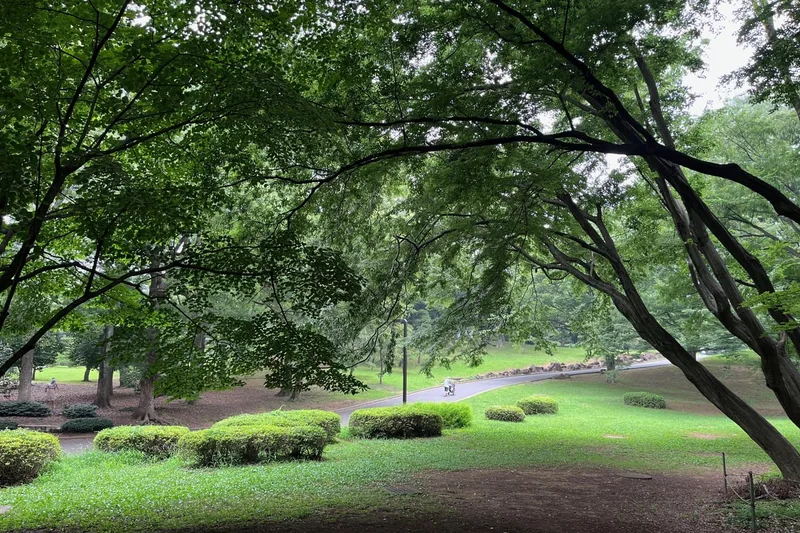
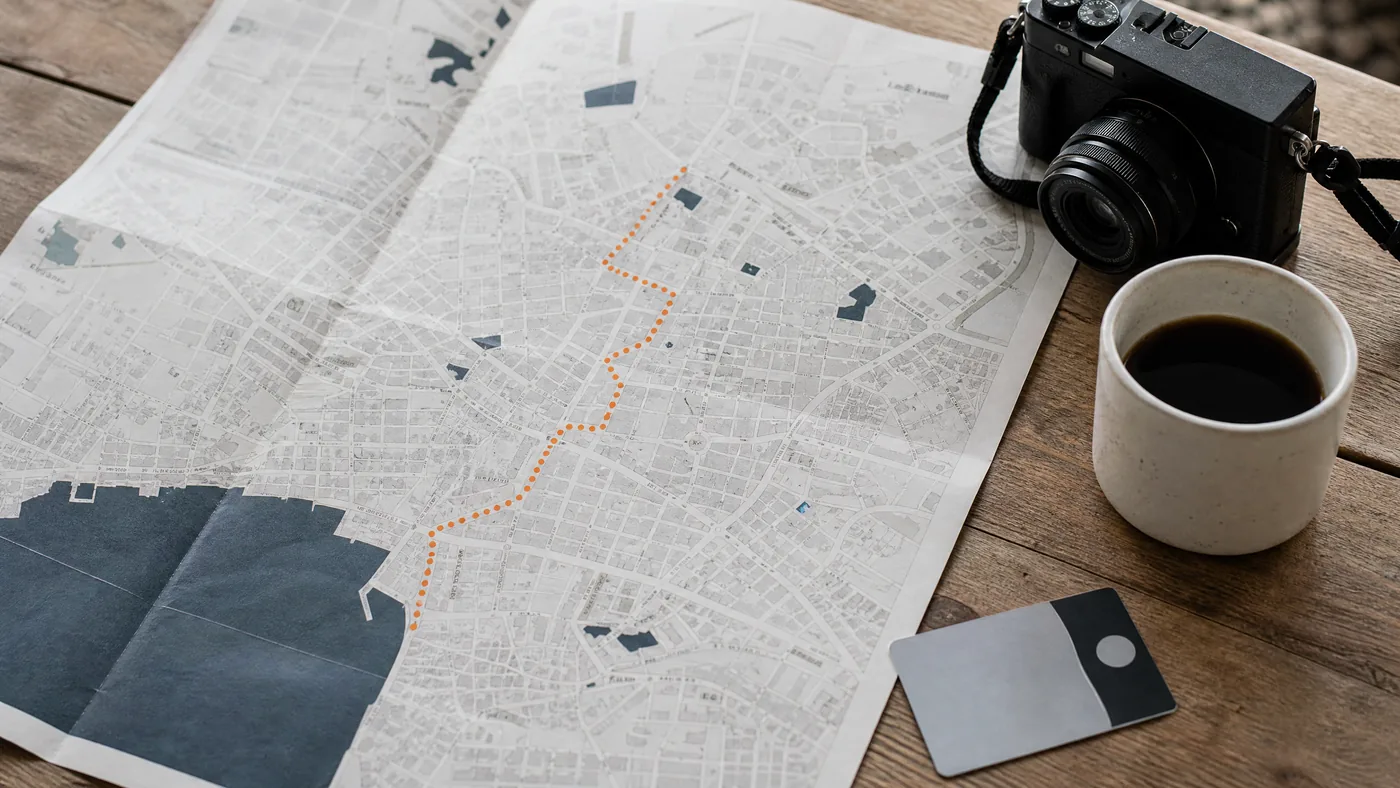
Walk the Perfect Days toilets around Yoyogi, Takeshita Street in Harajuku and the old shopping street of Sugamo with a storyteller.
Explore the Perfect Days movie walk Tour detailsHow should you behave on Tokyo trains?
Silent mode, no phone calls, a low voice, and give priority seats to those who need them. Stand still on escalators.
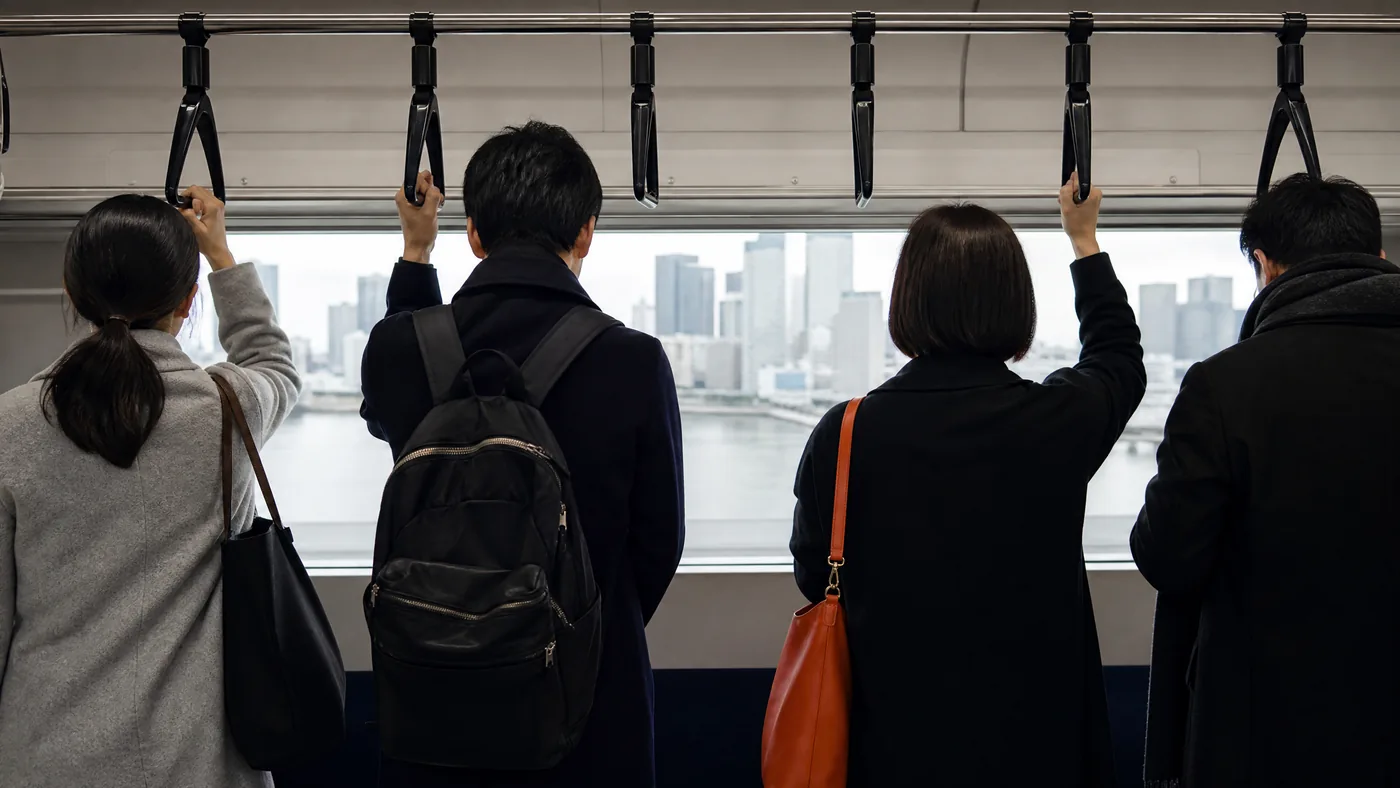
A packed Tokyo train is strangely quiet, and that is the rule, not luck. Tokyo Metro asks passengers to set phones to silent and not to talk on them, and to switch them off near the priority seats when the train is crowded. GO TOKYO and JNTO add a low voice on any train or bus, and headphones for music or video.
- Priority seats are for the elderly, people with disabilities, expectant mothers and people with infants. Tokyo Metro asks you to give up your seat to them.
- Women-only cars run on many lines in the morning rush, from the first train until around 09:30, for women, schoolchildren and young children, plus passengers with disabilities and their carers.
- Escalators: JNTO asks you to stand still rather than walk, two by two on wide ones.
- Luggage: keep it out of other people's way.
- Boarding: do not run for a train, and leave room in front of doors, stairs and ticket gates.
Eating on a commuter train is not on Tokyo Metro's list, but you will rarely see it. A drink is fine; lunch can wait for the platform bench.
What should you wear in Japan as a tourist?
Whatever you like. There is no dress code for tourists, and jeans, red and all black are fine. Bring shoes you can slip off quickly.
Nothing in Japan's official visitor advice tells you which colors or cuts to wear. Jeans are everyday clothes in Tokyo. Red is fine, and so is all black. Dress for the weather and the walking.
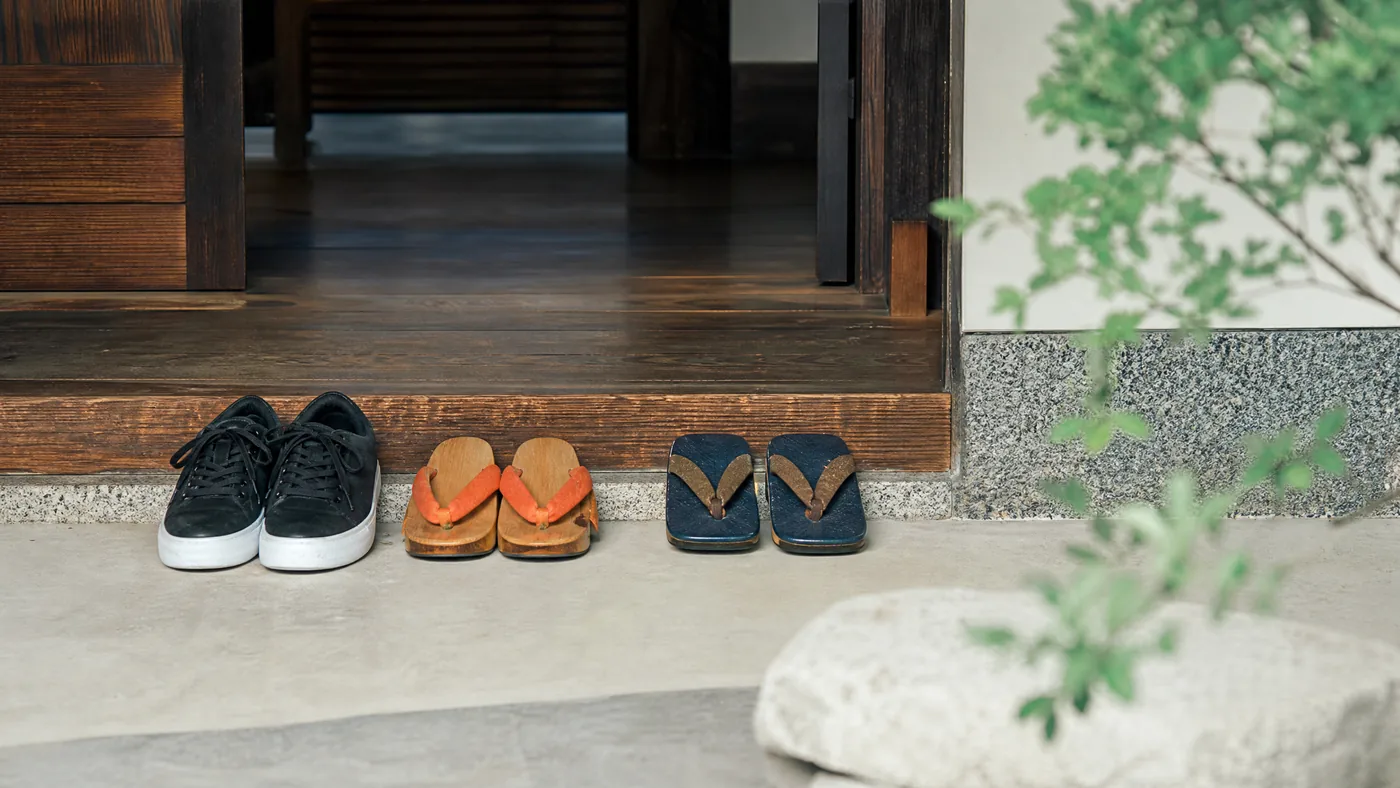
The practical rules are about your feet. JNTO says you may be asked to take off your shoes at some attractions, restaurants, traditional hotels and even fitting rooms, and suggests footwear that is easy to remove and good socks for temple visits. Laces you can loosen in two seconds will save you a queue at the step.
- Shrines and temples: no formal dress rule on JNTO's pages, just respect and removable shoes.
- Hot springs: JNTO says no clothing or swimwear goes in the baths. Wikipedia notes many sento and onsen turn away customers with tattoos, so check before you go.
- Fragrance: JNTO asks you to go easy on strong fragrances, above all at sushi counters.
One tour has its own rule. The Perfect Days toilet tour mixes walking with easy jogging, and its listing says no jeans, high heels, sandals or flip-flops. Running shoes and stretchy trousers are the right call there.
Running shoes on: the Perfect Days route mixes walking and easy jogging from Hachiko, with a bus if you tire.
Check dates for the Tokyo Toilet Tour for Perfect DaysHow do I say sorry and hello in Japanese?
Sumimasen covers excuse me, sorry and thank you for your trouble. Konnichiwa is hello during the day, and bowing a little goes with both.
Five phrases carry most of a trip. LIVE JAPAN lists these for travelers:
- Sumimasen: excuse me, sorry, or a polite way to get someone's attention.
- Konnichiwa: hello, the daytime greeting.
- Ohayo gozaimasu in the morning, konbanwa in the evening.
- Arigato gozaimasu: thank you, polite enough for anyone.
- Ikura desu ka? How much is it?
Gomen nasai is the warmer, more personal sorry, the one you say to a friend. For bumping into someone on a platform, Sumimasen is the word. Saying Konnichiwa as a foreigner is perfectly normal and friendly: Wikipedia calls it the usual greeting the first time two people meet that day.
Bowing is the best-known part of Japanese etiquette, and Wikipedia notes that the longer and deeper the bow, the more respect it shows. Visitors are not expected to get it right. A small nod with your thanks is plenty.
At a shrine or temple
JNTO's steps: bow once before you pass the torii gate, and do not walk through its exact middle. At the water basin, rinse your left hand, then your right, and never touch the ladle to your mouth. At a shrine, drop a coin, ring the bell, bow twice, clap twice, pray, then bow once more. At a temple there is no clapping, just joined hands. Both film tours stop at one: the Perfect Days route at a Shinto shrine, the movie walk at a temple in Sugamo.
Is it safe to walk late at night in Tokyo, and is Kabukicho safe for foreigners?
Tokyo streets are calm at night and the usual city care is enough. In nightlife areas such as Kabukicho, Roppongi and parts of Shibuya, ignore touts and check prices before you sit down.
Late walks home through residential Tokyo are part of the city's charm: lit vending machines, convenience stores open all night, and quiet pocket parks. The UK Foreign Office advice for Japan is to take the same precautions you would at home. Shigeru Ban's glass toilets in Shibuya were designed with exactly this in mind: you can see they are empty before you go in at night.
Nightlife areas need a little more care. The same advice says Tokyo's entertainment districts carry a higher risk of crime at night, around clubs and bars, and that Japanese police name Kabukicho, Roppongi, Shibuya and Ikebukuro as higher-risk zones. Kabukicho, in Shinjuku, is where most British victims have reported problems. Plenty of visitors enjoy dinner and a drink there every night by following four rules:
- Never follow a street tout, called kyakuhiki, to a bar or club, even for a free drink. Touting is illegal in Japan.
- See a menu with prices before you go in, and ask about any entry or table charge.
- Keep your drink with you and refuse drinks from strangers.
- Keep track of what you order and secure your cards.
For a guided night out in Shibuya, the evening food tour takes you to three small eateries with a local, so the choosing is done for you.
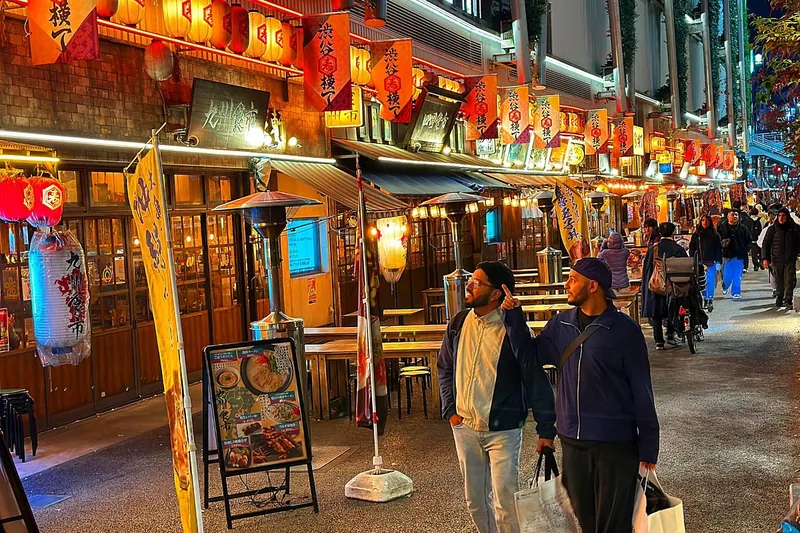
Thirteen dishes in three local eateries after dark in Shibuya, with a guide who orders, explains and knows every door.
Explore the Shibuya evening food tour Tour detailsWhat can you not bring into Japan?
Narcotics, firearms, explosives, counterfeit money and fake branded goods are banned. Medicines are allowed for personal use within set limits, but stimulants are banned even with a prescription.
Japan Customs lists the goods prohibited by law: narcotics such as heroin, cocaine, MDMA, opium and cannabis, plus stimulants and psychotropic substances; firearms, ammunition and pistol parts; explosives; chemical weapon precursors and dangerous germs; counterfeit coins, notes, securities and forged credit cards; obscene materials and child pornography; and goods that infringe intellectual property rights, which means fake designer items.
Bringing medicines into Japan
The Ministry of Health, Labour and Welfare (MHLW) sets how much you can bring for personal use without any paperwork:
| Type | Without paperwork | Above that |
|---|---|---|
| Prescription medicines (and poisons) | Up to a 1-month supply | Import Confirmation (Yunyu Kakunin-sho) before you travel |
| Other medicines and quasi-drugs | Up to a 2-month supply | Import Confirmation before you travel |
| External-use medicines (creams, patches) | Up to 24 per item | Import Confirmation before you travel |
| Injectables | Up to a 1-month supply, pre-filled syringes or self-injection kits only | Import Confirmation before you travel |
| Narcotics and stimulant raw materials | Not allowed | Prior permission for a named patient only |
Japan Customs adds that stimulants are regulated by the Stimulants Control Act and cannot be brought into Japan even for treatment. MHLW gives lisdexamfetamine as an example of a stimulant raw material. Psychotropic medicines need a copy of your prescription if you carry more than a month's supply.
What about ibuprofen? Neither MHLW nor Japan Customs names it on their traveler pages. A painkiller you buy without a prescription falls under other medicines, up to a two-month supply. Check every active ingredient of cold and allergy medicines against the MHLW page before you pack, and keep medicines in their original boxes.
Packed and through customs? Start with the Perfect Days toilets around Yoyogi on a three-hour walk with a storyteller.
Check dates for the Perfect Days movie walkFrequently asked questions
What happens at 5pm in Tokyo?
In many neighborhoods a melody plays from loudspeakers around 17:00. The Japan Times explains it is a daily test of the local disaster warning system, often also a signal for children to head home.
Is it okay to drink water on the street in Japan?
Yes. Sipping water as you walk is fine. Locals tend to finish other drinks by the vending machine, and around Shibuya Station street drinking of alcohol is banned from 18:00 until 05:00.
Is it rude to say konnichiwa as a foreigner?
No. Konnichiwa is the ordinary daytime greeting and people are glad to hear it. JNTO says a word or two of Japanese is always appreciated.
Is ibuprofen allowed to be brought into Japan?
Ibuprofen is not named on the MHLW or Japan Customs traveler pages. Under the MHLW rules, non-prescription medicines up to a two-month supply need no paperwork. Check every ingredient against the MHLW page before you travel.
Ready to book
Choose your tour
Free cancellation up to 24 hours before on every option. Prices are from-prices in USD and move with the season.
Perfect Days Movie Walk: Yoyogi to Sugamo
- English- or Italian-speaking storyteller
- Designer toilets from the film
- Harajuku and Takeshita Street
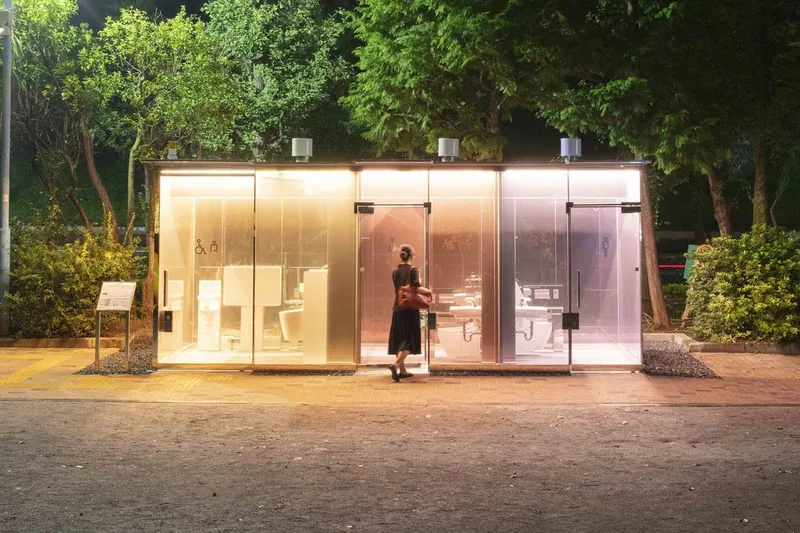
The Tokyo Toilet Tour for Perfect Days
- Guided route through Shibuya, Harajuku, Yoyogi and Ebisu
- Designer public toilets from Perfect Days
- A Shinto shrine visit
Shibuya Evening Food Tour: 13 Dishes
Thirteen dishes in three local eateries after your toilet walk