Booking choice: The Tokyo Toilet Tour for Perfect Days, from $100 per person. Check dates Tour details
The Tokyo Toilet is a public works project with an art collection hiding inside it. Between 2020 and 2023, seventeen tired public toilets in Shibuya City were rebuilt by sixteen of the best-known architects and designers in the world. Pritzker Prize winners took on toilets in pocket parks. A fashion designer drew a little house. An industrial designer gave one a copper roof. Then Wim Wenders came to look and made Perfect Days.
This guide covers what the project is and who paid for it, all 17 locations with address, creator and opening date, the ones people travel across Tokyo to see, how they stay so clean, and which tours visit which.
The quick answer
The Tokyo Toilet is 17 free public toilets in Shibuya City, designed by 16 creators including Tadao Ando, Kengo Kuma, Toyo Ito, Fumihiko Maki and Shigeru Ban (who did two). Anyone can use them, no ticket. To see several in one go with the stories behind them, the Tokyo Toilet Tour for Perfect Days starts at the Hachiko statue, from $100 per person.
What is the Tokyo Toilet project in Shibuya?
A project that rebuilt 17 public toilets in Shibuya City with 16 world-class creators, so that anyone can use them safely and comfortably regardless of gender, age or disability. The Nippon Foundation funded it; Shibuya City runs it.
The idea came from Koji Yanai of Uniqlo and Fast Retailing, and The Nippon Foundation paid for it, working with the Shibuya City government. The Nippon Foundation is frank about the starting point: Japan is famous for clean public toilets, yet people avoided the ones in parks because of the old picture of them as dark, dirty, smelly and scary. The answer was design. Make a toilet that looks safe, feels safe and is kept spotless, and people come back to the park it serves.
The commissions went out from 2018, timed for the Tokyo 2020 Games. The first toilets opened on 5 August 2020, when the Games had been postponed and the streets were empty of visitors. The last one, Sou Fujimoto's at Nishisando, opened on 24 March 2023. Daiwa House built them and TOTO advised on the equipment and layout. From 1 April 2024 the whole project passed to Shibuya City, which now manages it.
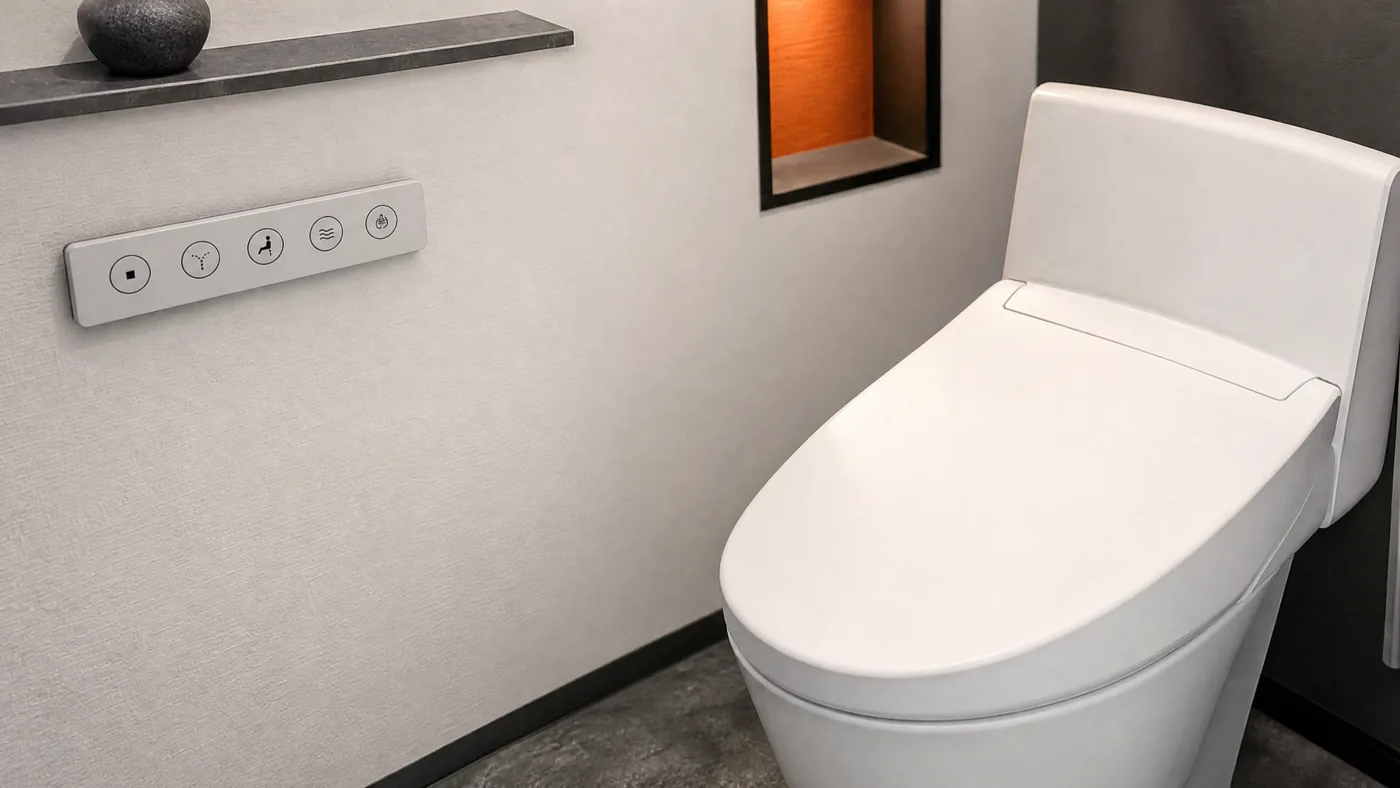
Every location has wheelchair access, some have ostomate facilities, and every one has a Washlet. The project has won a shelf of prizes, from the World Toilet Organization Hall of Fame Award in 2020 to a Silver Lion at Cannes Lions in 2022.
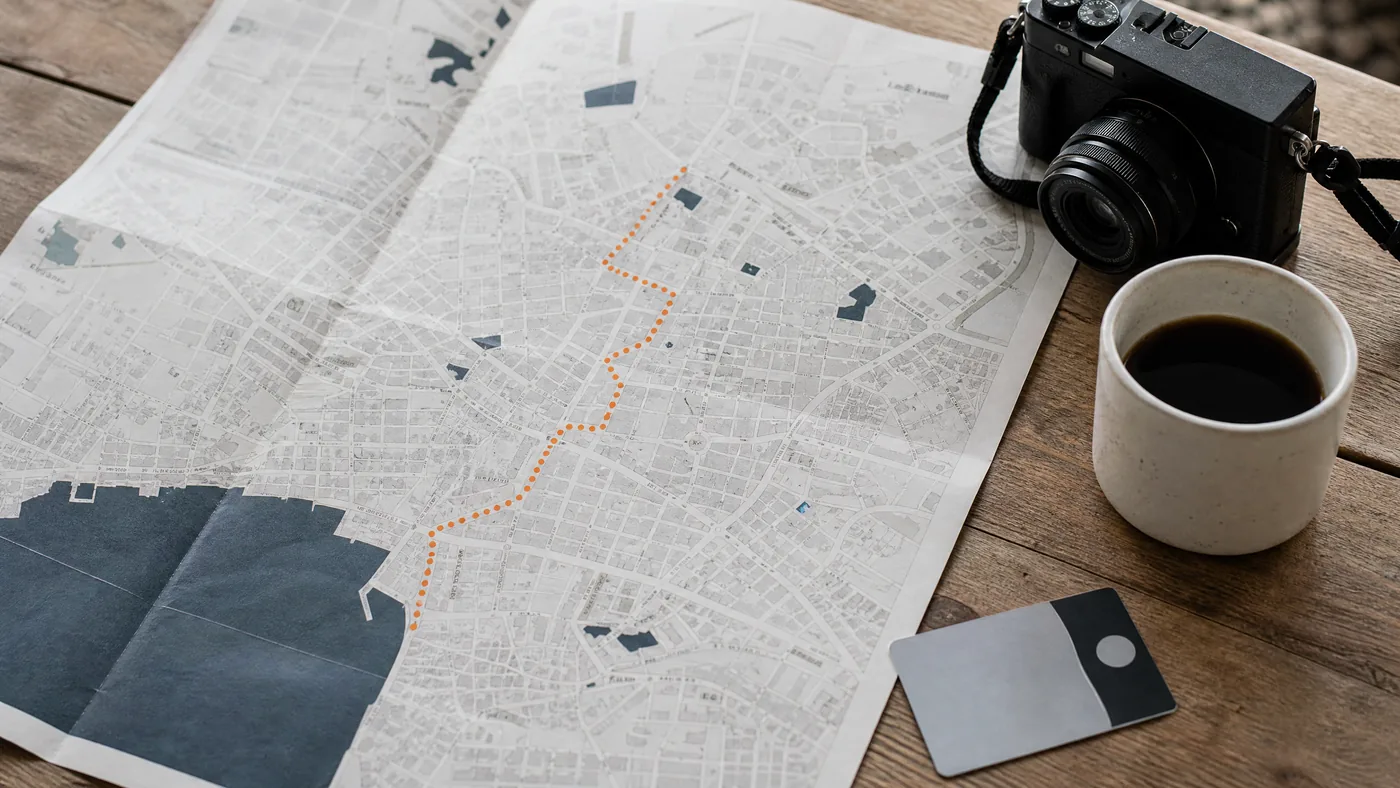
Meet at the Hachiko statue and cover Shibuya, Harajuku, Yoyogi and Ebisu at an easy mix of walking and gentle jogging, with the story behind each designer toilet and a Shinto shrine on the way.
Check dates for the Tokyo Toilet Tour for Perfect DaysWhere are all 17 Tokyo Toilets?
All 17 are in Shibuya City, spread from Sasazuka and Hatagaya in the west through Yoyogi and Harajuku to Ebisu and Hiroo in the south. Here they are with address, creator and opening date from the official site.
The list below follows the official Tokyo Toilet site, roughly west to east and then south. The addresses are Shibuya City addresses, so add "Shibuya" when you type them into a map app.
| # | Location | Address | Creator | Opened |
|---|---|---|---|---|
| 1 | Sasazuka Greenway | 1-29 Sasazuka | Junko Kobayashi (Gondola Architects) | 10 March 2023 |
| 2 | Hatagaya | 3-37-8 Hatagaya | Miles Pennington / UTokyo DLX Design Lab | 22 February 2023 |
| 3 | Nanago Dori Park | 2-53-5 Hatagaya | Kazoo Sato | 12 August 2021 |
| 4 | Nishihara Itchome Park | 1-29-1 Nishihara | Takenosuke Sakakura | 31 August 2020 |
| 5 | Nishisando | 3-27-1 Yoyogi | Sou Fujimoto | 24 March 2023 |
| 6 | Yoyogi-Hachiman | 5-1-2 Yoyogi | Toyo Ito | 16 July 2021 |
| 7 | Haru-no-Ogawa Community Park | 5-68-1 Yoyogi | Shigeru Ban | 5 August 2020 |
| 8 | Yoyogi Fukamachi Mini Park | 1-54-1 Tomigaya | Shigeru Ban | 5 August 2020 |
| 9 | Urasando | 4-28-1 Sendagaya | Marc Newson | 20 January 2023 |
| 10 | Jingumae | 1-3-14 Jingumae | NIGO | 31 May 2021 |
| 11 | Jingu-Dori Park | 6-22-8 Jingumae | Tadao Ando | 7 September 2020 |
| 12 | Nabeshima Shoto Park | 2-10-7 Shoto | Kengo Kuma | 24 June 2021 |
| 13 | Higashi Sanchome | 3-27-1 Higashi | Nao Tamura | 7 August 2020 |
| 14 | Ebisu Park | 1-19-1 Ebisu-Nishi | Masamichi Katayama / Wonderwall | 5 August 2020 |
| 15 | Ebisu Station West Exit | 1-5-8 Ebisu-Minami | Kashiwa Sato | 15 July 2021 |
| 16 | Ebisu East Park | 1-2-16 Ebisu | Fumihiko Maki | 7 August 2020 |
| 17 | Hiroo East Park | 4-2-27 Hiroo | Tomohito Ushiro | 22 July 2022 |
Sixteen creators, seventeen toilets: Shigeru Ban designed both glass toilets, at Haru-no-Ogawa Community Park and Yoyogi Fukamachi Mini Park, a few minutes apart in the Yoyogi area. For a route that links them on foot and by train, see our self-guided walk.
Who designed the Tokyo Toilets?
Architects, designers and creative directors: Tadao Ando, Kengo Kuma, Toyo Ito, Fumihiko Maki, Shigeru Ban, Sou Fujimoto, Marc Newson, NIGO, Kashiwa Sato, Nao Tamura, Masamichi Katayama, Junko Kobayashi, Takenosuke Sakakura, Kazoo Sato, Tomohito Ushiro and Miles Pennington.
Four of them hold the Pritzker Prize, architecture's top award: Fumihiko Maki, Tadao Ando, Toyo Ito and Shigeru Ban. Kengo Kuma designed the national stadium for the Tokyo Games. The rest come from well outside architecture, which is half the fun.
- Fashion and street culture. NIGO, the Harajuku designer, drew a toilet like an old family house on Meiji-dori. He also oversaw the uniform the cleaners wear.
- Industrial design. Marc Newson topped his Urasando toilet with a copper roof borrowed from shrines, temples and tea rooms, and finished the inside in his favorite green.
- Creative directors. Kashiwa Sato made a pure white box by the police box at Ebisu Station. Kazoo Sato built a toilet you talk to. Tomohito Ushiro's glows in 7.9 billion patterns, one for each person alive when he designed it.
- Product and interior design. Nao Tamura folded a triangle inspired by origata, Japanese gift wrapping. Masamichi Katayama of Wonderwall scattered 15 concrete walls like playground equipment.
- Public toilet specialists. Junko Kobayashi has designed public toilets for decades and leads the Japan Toilet Association. Her Sasazuka toilet sits under the Keio Line tracks.
- A university lab. Miles Pennington and the UTokyo DLX Design Lab added a room you can use as a pop-up shop, gallery or meeting space.
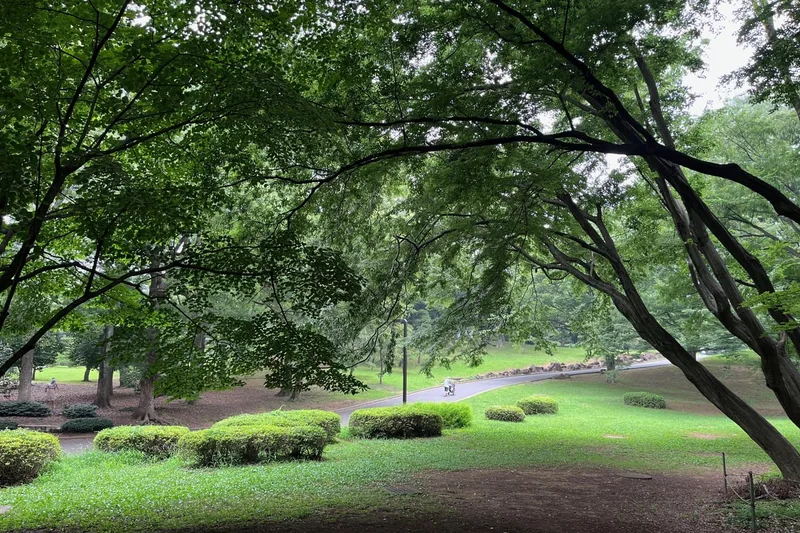
A small-group walk with a storyteller: the designer toilets from Perfect Days around Yoyogi, then Harajuku's Takeshita Street and Sugamo's old shopping street.
Explore the Perfect Days movie walk Tour detailsHow do Shigeru Ban's transparent toilets work?
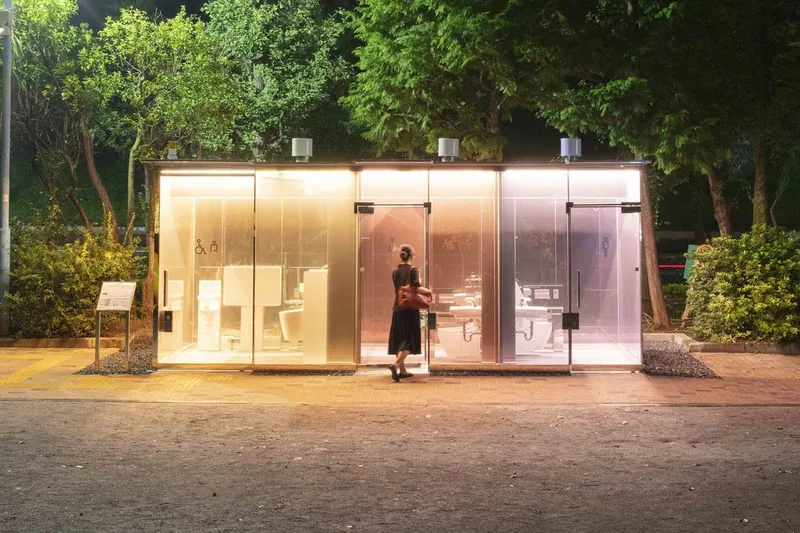
The colored glass walls are clear when the toilet is empty, so you can see it is clean and free. Lock the door and the glass turns opaque. At night they glow like lanterns.
Ban started from two worries everyone has about a park toilet: is it clean, and is someone inside? His answer at Yoyogi Fukamachi Mini Park and Haru-no-Ogawa Community Park is a box of tinted glass in playground colors. From the path you see straight in. Step inside, turn the lock, and the walls frost over in a second. The official site calls the effect safe at night: an empty, lit glass box hides nothing.
It is the most photographed toilet in Tokyo for a reason. Go after dark for the lantern effect, when the colors light up the little parks.
One note for planning. In December 2022, J-CAST News reported that Shibuya City set the Haru-no-Ogawa glass to stay opaque after a fault let people see in while it was locked. If you want to watch the clear-to-frosted switch, Yoyogi Fukamachi Mini Park is the safer bet, outside exit 3 of Yoyogi-koen Station.
Please be kind about it: these are working toilets. Wait for people to come out before taking a photo, and never point a camera at a cubicle someone is using.
Which other Tokyo Toilets should you not miss?
Tadao Ando's round rain shelter at Jingu-Dori Park, Kengo Kuma's cedar village at Nabeshima Shoto Park, Toyo Ito's three mushrooms at Yoyogi-Hachiman, Fumihiko Maki's Squid Toilet in Ebisu East Park and NIGO's little house at Jingumae.
- Tadao Ando, Jingu-Dori Park. Ando named it Amayadori, "taking shelter from the rain". A round plan under a wide flat roof, a wall of vertical louvers letting in wind and light, and a path that runs right through. It sits between Harajuku and Shibuya.
- Kengo Kuma, Nabeshima Shoto Park. "A Walk in the Woods": five small huts clad in cedar slats set at random angles, joined by a path into the trees. Each hut serves a different need, from families to wheelchair users. It is about ten minutes on foot from Shibuya Station, in a quiet park in the Shoto residential district.
- Toyo Ito, Yoyogi-Hachiman. Three mushroom-shaped toilets at the foot of the steps to Yoyogi Hachimangu shrine, on busy Yamate-dori, with the shrine forest behind.
- Fumihiko Maki, Ebisu East Park. Locals call the park Octopus Park for its octopus slide. Maki answered with the Squid Toilet, a park pavilion with a cheerful roof and a rest area.
- NIGO, Jingumae. "THE HOUSE": a nostalgic small home on a Harajuku corner, the opposite of the towers around it.
- Tomohito Ushiro, Hiroo East Park. A light sculpture of a toilet that never shows the same pattern twice, like light through leaves by day and fireflies at night.
- Kazoo Sato, Nanago Dori Park. The "Hi Toilet": door, flush and sounds by voice command, no buttons to touch.
Late November is a lovely time for the park ones. The ginkgo trees along the streets turn yellow and the cold, dry days give clear light for photos.
Our pick for a first look: Hachiko to Harajuku, Yoyogi and Ebisu with a guide, designer toilets from the film and a Shinto shrine, partly at an easy jog.
Check dates for the Tokyo Toilet Tour for Perfect DaysAre the Tokyo Toilets free and open to everyone?
Yes. They are ordinary public toilets run by Shibuya City: free, no ticket, no booking, open to anyone. A tour sells the route and the stories, not access.
That surprises people. You can walk up to Ando's or Kuma's toilet any day and use it, like a local picking up a coffee on the way to work. The official site lists no opening hours for any of them. They are lit after dark, and the glass ones are at their best then, but the parks feel more relaxed in daylight.
Each toilet was built to be used by everyone. Wheelchair access is possible at every location, some have ostomate facilities, and the Tokyo Metropolitan Government's Tokyo Updates notes children's toilets at Sasazuka and Nabeshima Shoto Park. Every one has a Washlet. For how the buttons work and the small rules of a Japanese toilet, read Japanese toilet etiquette.
A tour earns its price elsewhere: the toilets are spread across a whole ward, a guide links them in a sensible order, and you hear why each one looks the way it does.
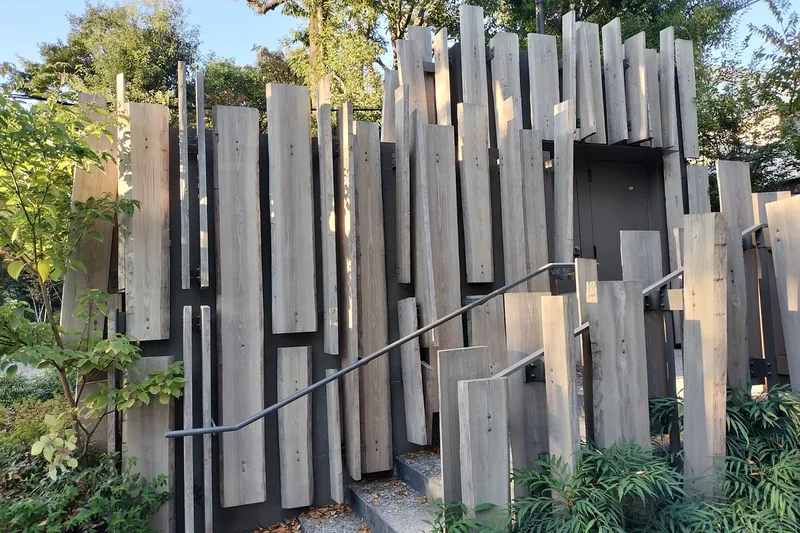
A private guide for your group of up to four: Shigeru Ban's glass toilet, Yoyogi Hachimangu Shrine, Miyashita Park, then Kengo Kuma's forest toilet in Nabeshima Shoto Park.
Explore the private Tokyo Toilet walking tour Tour detailsHow often are the Tokyo Toilets cleaned?
Up to three times a day, with a regular cleaning once a month and a deep special cleaning once a year. Professional toilet inspectors check them on top of that.
The official maintenance page treats cleaning as half the project. Daily cleaning comes up to three times a day, set by how busy each toilet gets. Tokyo Updates puts that next to once a day for an ordinary public toilet. Once a month a wet clean removes water stains and yellowing with special solvents. Once a year a special clean covers the outside walls, lights, fans, even leaves on the roofs.
A third-party toilet consultant inspects every site, down to an ATP wipe test of surfaces, and the teams meet regularly to compare reports. The cleaning company is Tokyo Sanitation, and the staff wear a uniform designed under NIGO. They told the project that people now stop to chat, take photos and even hand them drinks and snacks.
If that rings a bell, it should: Hirayama, the hero of Perfect Days, is one of these cleaners. More in Perfect Days filming locations.
Are public toilets free in Tokyo?
Almost always. Public toilets in Tokyo stations, parks, department stores and most convenience stores are free to use. Many have no soap or paper towels, so carry a small hand towel.
Wikipedia's article on toilets in Japan puts it simply: public toilets are easy to find, in department stores, supermarkets, book shops, parks, most convenience stores and nearly every train station. You do not pay, and you do not need to buy anything first, though in a convenience store a quick purchase is a polite thank you.
Two small things catch visitors out. Many public toilets have no soap and no paper towels, which is why so many people in Japan carry a handkerchief. And some older ones are squat toilets, with a Western-style cubicle usually next door. The Tokyo Toilet buildings all have a Washlet. For what to pack, see what to pack for Japan.
A three-hour small-group walk: the film's designer toilets around Yoyogi, the buzz of Harajuku's Takeshita Street, then Sugamo for street food and a temple.
Check dates for the Perfect Days movie walkWhich tours visit the Tokyo Toilets?
Five tours here visit Tokyo Toilet buildings, none of them all 17. The three architecture walks nearby have no toilet stop listed.
Here is what each listing really includes, from the start point to the toilets it names:
| Tour | Start | What it visits | Length | From |
|---|---|---|---|---|
| Tokyo Toilet Tour for Perfect Days | Hachiko statue, Shibuya | Several designer toilets from the film and a Shinto shrine, partly jogging | 4.5 hours | $100 per person |
| Perfect Days movie walk | Yoyogi-koen Station | The film's toilets around Yoyogi, then Harajuku and Sugamo | 3 hours | $69 per person |
| Private Tokyo Toilet walking tour | Yoyogi Fukamachi Mini Park | Ban's glass toilet, Yoyogi Hachimangu, Miyashita Park, Nabeshima Shoto Park | 2.5 hours | $168 per group (up to 4) |
| Private Tokyo Toilet tour by minivan | Hotel pickup | Eight named toilet stops plus Ebisu and Hiroo | 4 to 5 hours | $335 per group (up to 2) |
| Toilet and architecture tour by car | Pickup by arrangement | Toilets plus landmark buildings | 8 hours | $757 per group (up to 9) |
| Shibuya architecture walk | Shibu Hachi Box, Shibuya Station | New towers and alleys; no Tokyo Toilet stop listed | 1.5 hours | $13 per person |
For film fans, the Perfect Days tour from Hachiko is our pick. On a budget, the movie walk is the lowest price among the tours with toilet stops. For a private group of up to four, the walking tour from Yoyogi Fukamachi is relaxed and ends at Shibuya Station. For the widest spread in one morning, the minivan picks you up at your hotel. All of them have free cancellation up to 24 hours before. Prices and what each one includes are compared in Tokyo Toilet tour prices.
Frequently asked questions
How many Tokyo Toilets are there?
Seventeen, all in Shibuya City, designed by 16 creators. Shigeru Ban designed two of them, at Haru-no-Ogawa Community Park and Yoyogi Fukamachi Mini Park.
Who paid for the Tokyo Toilet?
The Nippon Foundation funded the project, working with the Shibuya City government, from an idea by Koji Yanai of Fast Retailing. Since 1 April 2024 Shibuya City manages it.
Can you use the Tokyo Toilets, or only look at them?
You can use them. They are free public toilets open to anyone, with no ticket. Be patient with photos and wait until nobody is using the toilet.
Does any tour visit all 17 Tokyo Toilets?
None of the tours on this site lists all 17. The private minivan names the most stops; the walking tours visit a selection, mostly around Yoyogi, Harajuku, Shibuya and Ebisu.
Ready to book
Choose your tour
Free cancellation up to 24 hours before on every option. Prices are from-prices in USD and move with the season.
The Tokyo Toilet Tour for Perfect Days
- Guided route through Shibuya, Harajuku, Yoyogi and Ebisu
- Designer public toilets from Perfect Days
- A Shinto shrine visit
Perfect Days Movie Walk: Yoyogi to Sugamo
- English- or Italian-speaking storyteller
- Designer toilets from the film
- Harajuku and Takeshita Street
Private Tokyo Toilet Walking Tour
- Private guide, no other groups
- Shigeru Ban's transparent toilet
- Yoyogi Hachimangu Shrine