Booking choice: The private Tokyo Toilet walking tour, from $168 per group. Check dates Tour details
Most packing lists for Japan are the same as anywhere else. A few things are not: a hand towel in your pocket, coins for a shrine, shoes that come off in a second, and medicines that meet Japan's rules. Get those right and the rest is easy.
Rules come from the Ministry of Health, Labour and Welfare (MHLW), Japan Customs and the Japan National Tourism Organization (JNTO); fares from Tokyo Metro and JR East; card details from LIVE JAPAN, all read on 22 November 2026.
The quick answer
Pack pocket tissues and a small hand towel, because many public toilets have no towels for drying hands. Bring coins and get an IC card such as Suica. Japan uses 100 volts and plugs with two flat pins, and you can bring up to a one-month supply of prescription medicine without paperwork, but no pseudoephedrine products such as Sudafed or Vicks inhalers.
Should I take toilet paper to Japan?
Not a roll, but a pack of pocket tissues and a small hand towel. Many public toilets have no towels for drying hands.
Public toilets are easy to find in Japan: in stations, parks, department stores and most convenience stores. Paper is normally there. Towels often are not. Many public toilets have no soap or towels for drying hands, and many people carry a handkerchief for exactly that, as the Wikipedia article on toilets in Japan explains.
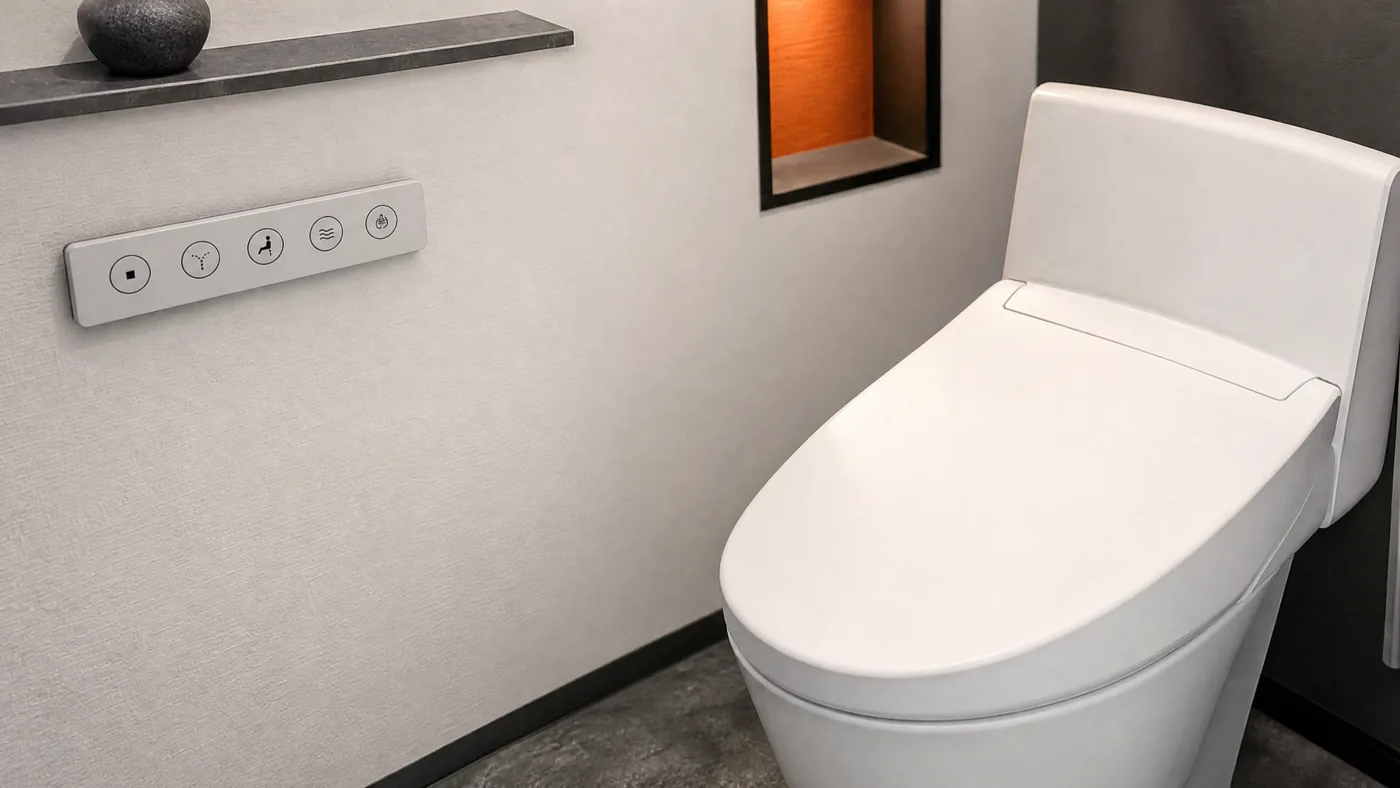
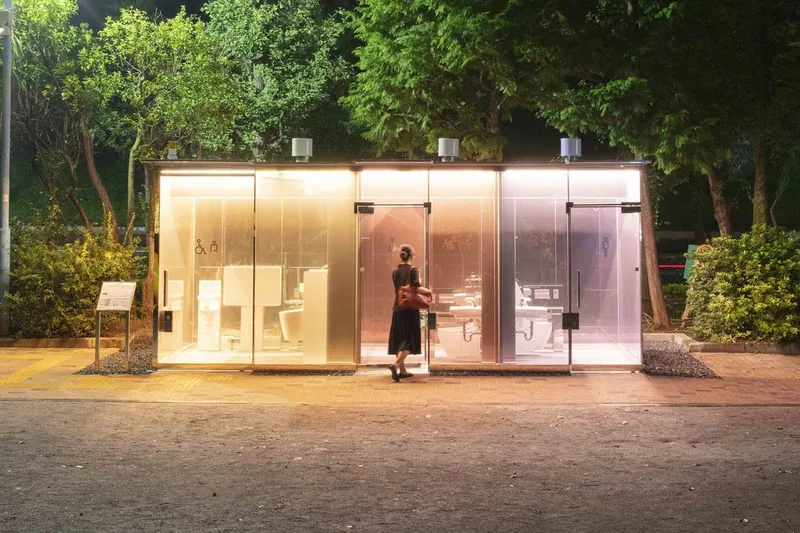
The Tokyo Toilet buildings set a high bar: all 17 have a Washlet, all have wheelchair access, and they are cleaned up to three times a day. Even so, a small cotton towel in your pocket is the most Japanese thing you can pack. A pack of tissues covers the rest, from a damp bench to a quick picnic in Yoyogi Park.
Washlet buttons, slippers, squat toilets and what goes in the bowl are all in our guide to Japanese toilet etiquette. Read it once before you fly and nothing in a Tokyo restroom will surprise you.
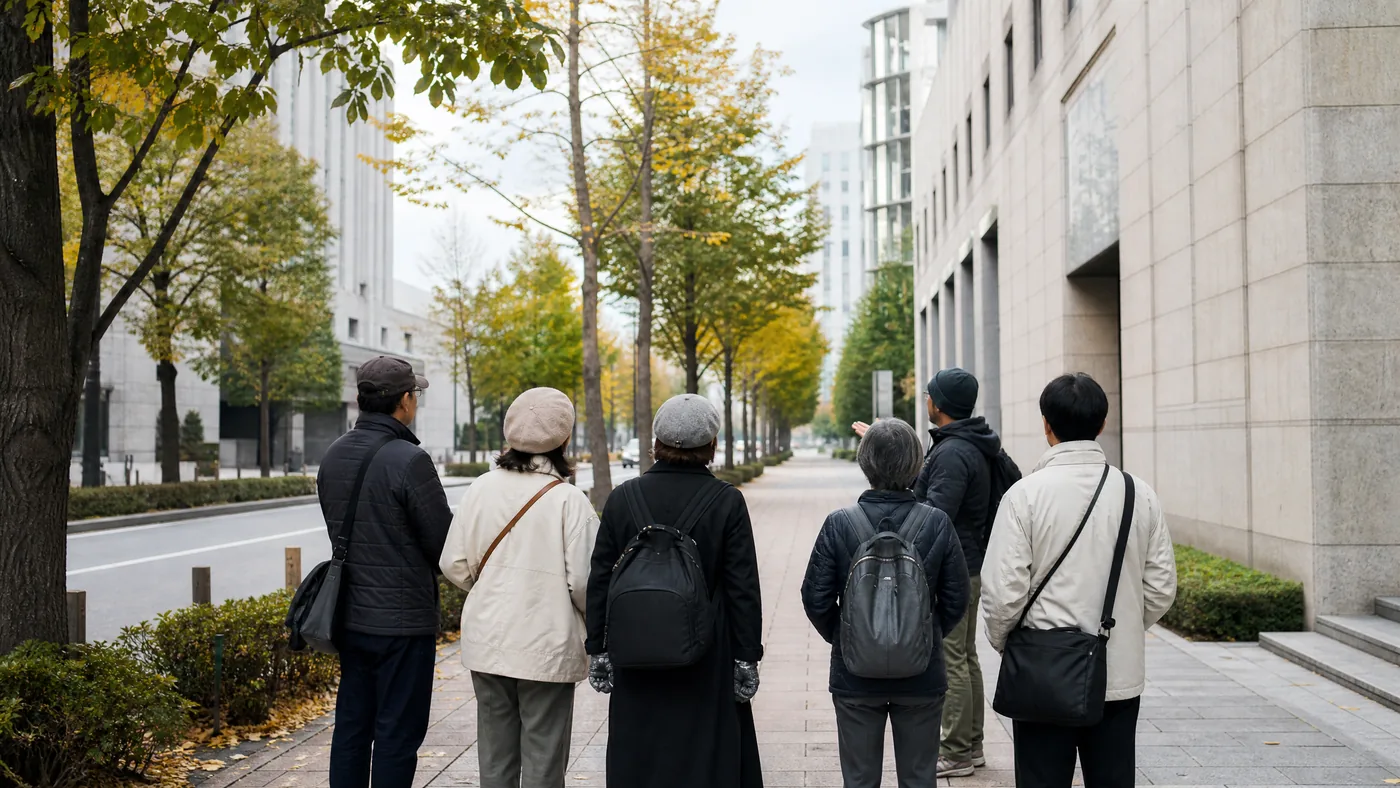
A private guide for up to four, from Shigeru Ban's glass toilet in Yoyogi Fukamachi Mini Park to Kengo Kuma's forest toilet in Nabeshima Shoto Park.
Check dates for the private Tokyo Toilet walking tourDo I need cash and an IC card in Tokyo?
Yes, both. Carry coins for shrines and small shops, and use a Suica or Welcome Suica for trains.
Cash still matters. The Tour for Perfect Days asks you to bring cash, and its listing leaves the shrine offering out of the price, so keep some coins handy. Small shops and food stalls in places like Sugamo are easier with yen in your pocket.
For trains, get an IC card. LIVE JAPAN reports that the green Suica is on sale again since March 2025, with a 500 yen deposit you get back when you return it, minus a 220 yen fee. The red Welcome Suica for visitors has no deposit and lasts 28 days, but the balance left on it is not refunded. Welcome Suica Mobile runs on your phone for 180 days.
A tap costs 178 yen for the shortest Tokyo Metro ride, and the minimum JR ticket on the Yamanote Line is 160 yen since the fare rise of 14 March 2026. The movie walk lists about 350 yen of train fare as extra, and the private walk leaves public transport to you, so load the card before the tour.
| What | Cost | Good to know |
|---|---|---|
| Coins for the shrine | Your own choice | The shrine offering is not included on the Perfect Days tour |
| Cash | A few thousand yen | The Perfect Days listing asks you to bring cash |
| Welcome Suica (red card) | No deposit | Valid 28 days; the balance left on it is not refunded |
| Green Suica | 500 yen deposit | Refundable, minus a 220 yen fee; sold again since March 2025 |
| Welcome Suica Mobile | On your phone | Valid 180 days |
What shoes and clothes should I pack for Japan?
Comfortable shoes you can slip off fast, layers for the season, and nothing too precious for a long walk.
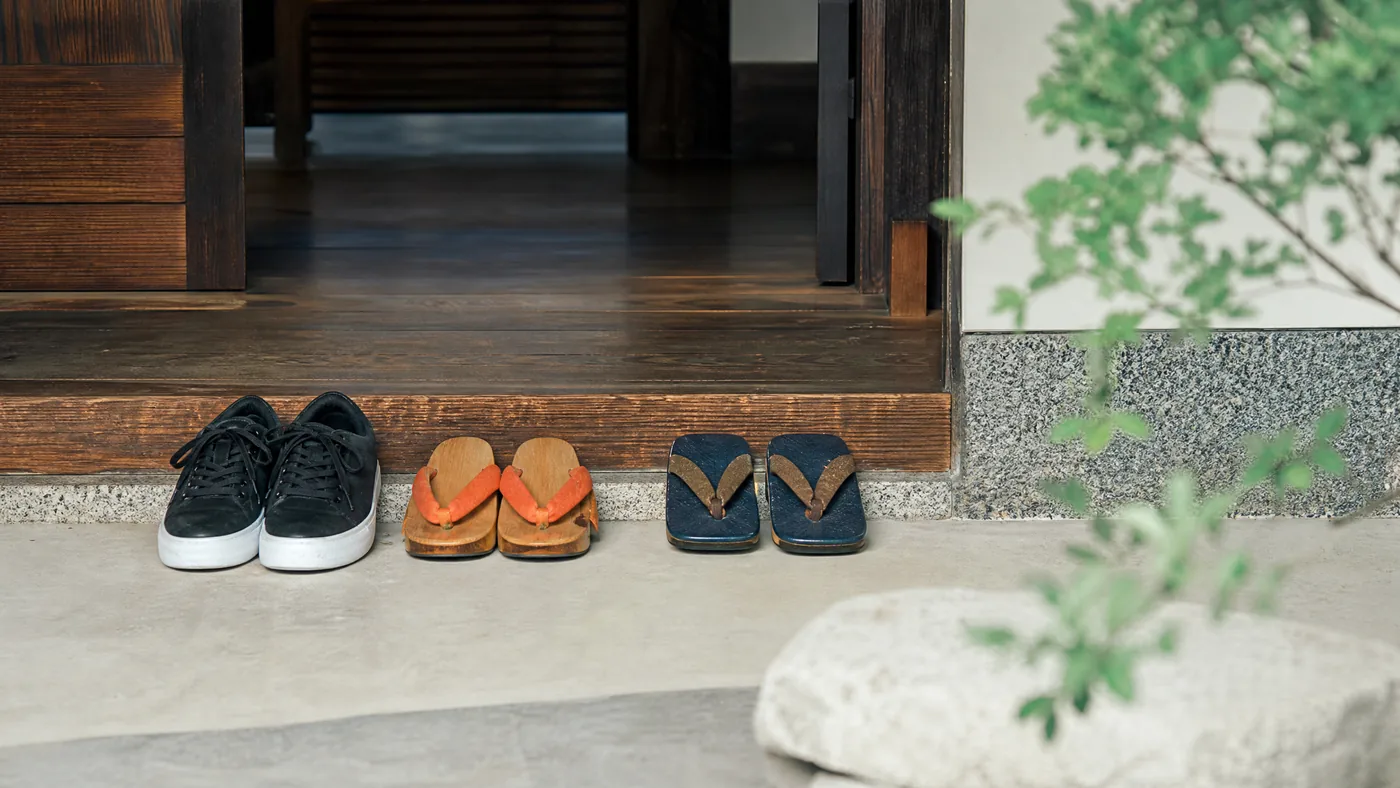
Shoes come off a lot in Japan. In homes and many traditional places you leave them at the entrance, the genkan, and step up in socks or the slippers provided. Laces you have to untie every time get old quickly. Slip-on walking shoes, and socks without holes, solve it.
For a toilet tour, read the listing. The Tour for Perfect Days asks you not to wear jeans, high heels, sandals or flip-flops, because the route mixes walking with easy jogging. Running shoes and light layers are the right choice there. The private walk and the movie walk are on foot at a normal pace.
Clothes are practical rather than formal. Pack for the weather, add a warm layer from December to February, and check our Japan etiquette guide for tourists for shrine visits and quiet trains.
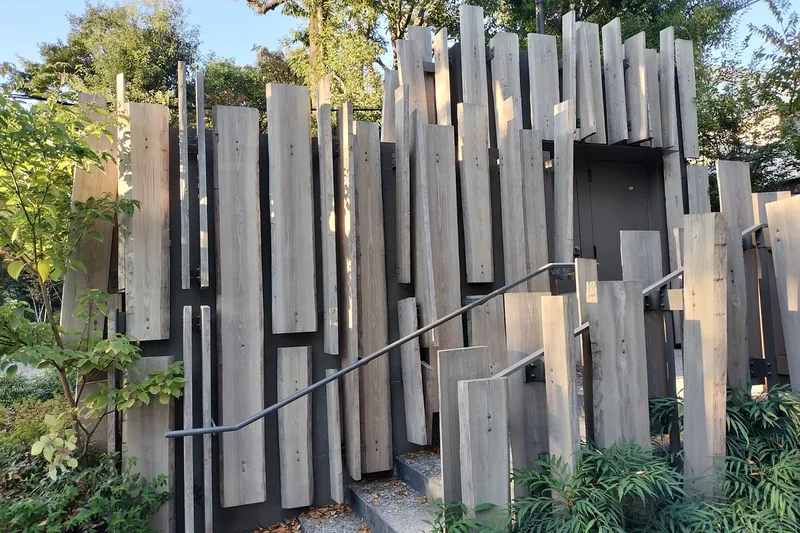
A private walk for your group of up to four: Shigeru Ban's transparent toilet, Yoyogi Hachimangu Shrine, Miyashita Park and Kengo Kuma's forest toilet.
Explore the private Tokyo Toilet walking tour Tour detailsWhat medicines can you bring into Japan?
Up to a one-month supply of prescription medicine and a two-month supply of over-the-counter medicine without paperwork. Pseudoephedrine products are prohibited.
Japan's Ministry of Health, Labour and Welfare sets the limits for personal use. Without any procedure, you can bring up to a one-month supply of prescription medicines, up to a two-month supply of other medicines and quasi-drugs, and up to 24 of each external-use product such as a cream. Pre-filled syringes and self-injection kits are allowed up to a one-month supply.
Over those amounts, you need Import Confirmation, applied for online before you leave home and shown at customs. Narcotics such as morphine or fentanyl, and stimulant raw materials, need permission from a Regional Bureau of Health and Welfare before you travel.
Watch the cold and allergy aisle. The Consulate-General of Japan in Miami lists medicines with pseudoephedrine, such as Actifed, Sudafed and Vicks inhalers, as prohibited. Japan Customs lists the other banned goods, from narcotics and firearms to counterfeit money. If you are unsure about a product, ask the MHLW before you pack it.
| What you bring | Allowed without paperwork | Source |
|---|---|---|
| Prescription medicines | Up to a one-month supply | Ministry of Health, Labour and Welfare (MHLW) |
| Over-the-counter medicines and quasi-drugs | Up to a two-month supply | MHLW |
| Creams and other external-use products | Up to 24 per item | MHLW |
| Pre-filled syringes and self-injection kits | Up to a one-month supply | MHLW |
| More than these amounts | Import Confirmation, applied for before you leave home | MHLW |
| Pseudoephedrine products such as Actifed, Sudafed and Vicks inhalers | Prohibited | Consulate-General of Japan in Miami |
| Narcotics such as morphine and fentanyl, stimulant raw materials | Only with permission obtained before you travel | MHLW, Regional Bureaus of Health and Welfare |
What plug and voltage does Japan use?
Plugs with two flat pins, 100 volts everywhere, and 50 hertz in Tokyo.
JNTO gives the standard as 100 volts AC across the whole country, at 50 hertz in eastern Japan and 60 hertz in the west. A Japanese embassy travel page adds the two details you need: Tokyo is on 50 hertz, and plugs generally have two flat pins.
Look at the label on your charger. Most phone and laptop chargers accept a wide input range, and JNTO notes that dual-voltage hair dryers, travel irons and shavers should work anywhere in Japan. Anything rated only for higher voltage needs a converter, not just an adaptor.
Forgot it at home? JNTO points to electronics districts and large appliance stores, which sell conversion plugs and transformers.
Do I need an umbrella in Tokyo?
From June to October, yes. In winter, rarely: December to February each get under 60 millimeters of rain.
Tokyo's rain comes in summer and autumn. The Japan Meteorological Agency's normals give September and October the most, 225 and 235 millimeters, with June close behind at 168 millimeters over about 13 days. December, January and February each get under 60 millimeters, the driest months of the year.
A compact umbrella earns its space from June to October. The movie walk's listing promises its walks go on rain or shine, and a light umbrella keeps your camera dry between stops. Tadao Ando even built shelter into his toilet in Jingu-Dori Park: a round plan under a spanning roof, named Amayadori, the Japanese word for sheltering from the rain.
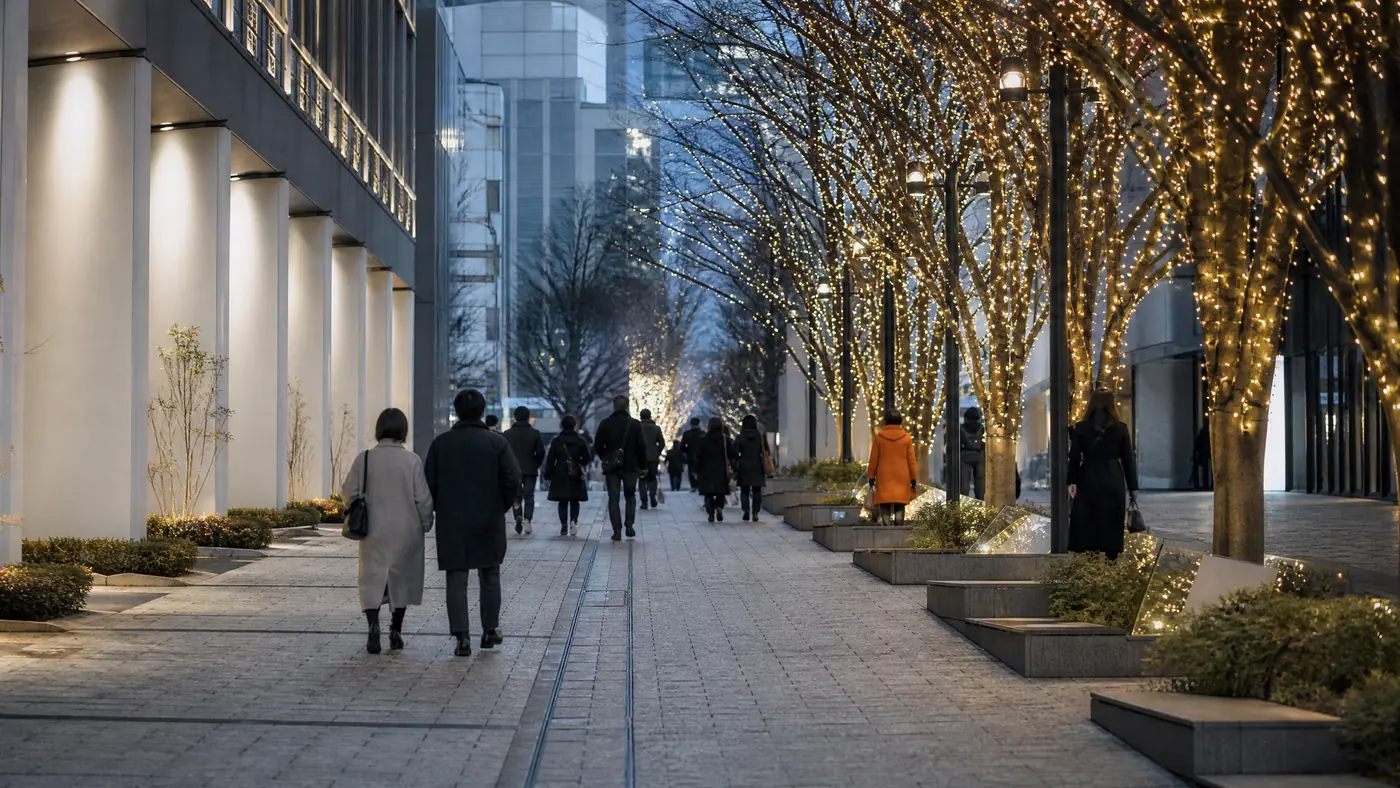
Travelling in winter? Swap the umbrella for gloves and read our post on Shibuya in winter. The full checklist is below.
| Pack | Why | Read more |
|---|---|---|
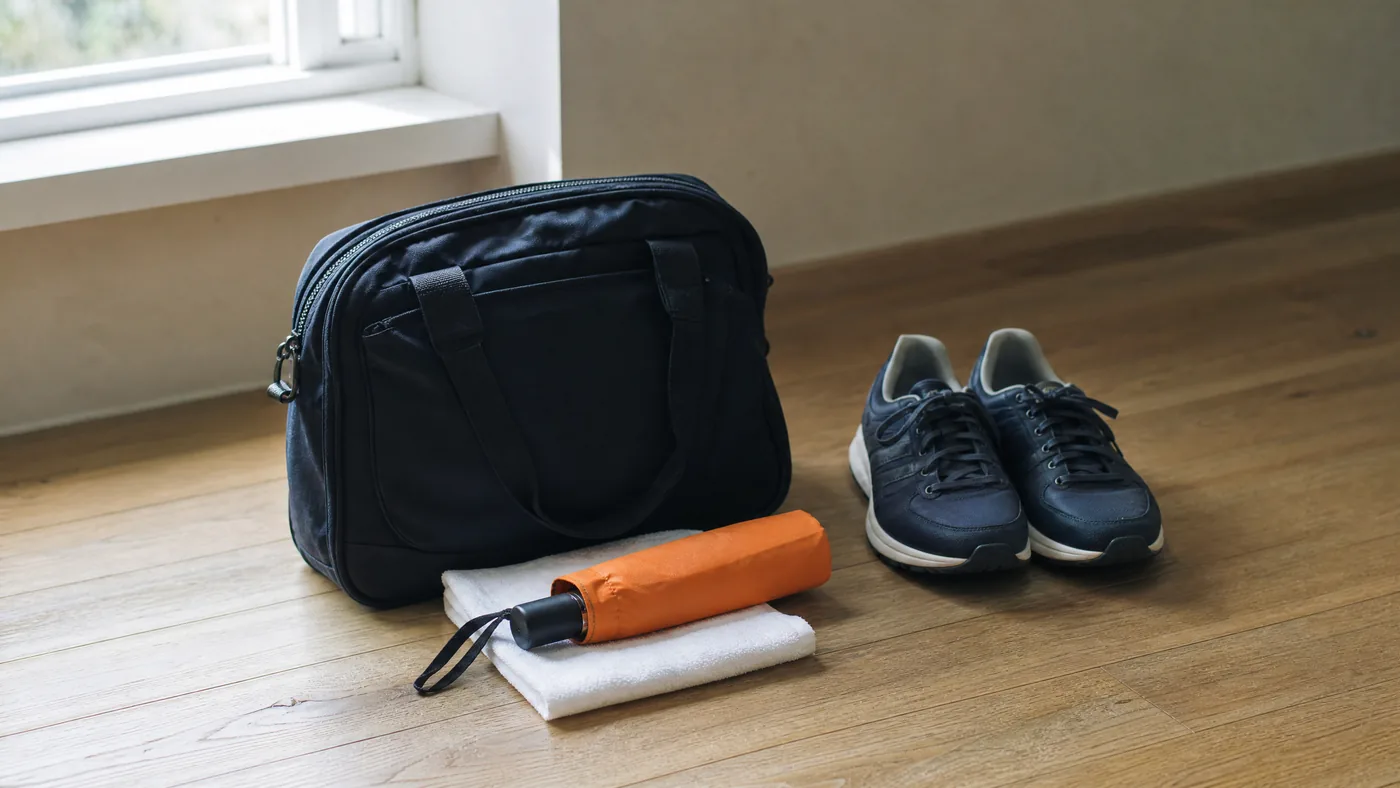
| Pocket tissues | Backup paper, small spills, a picnic in a park | Japanese toilet etiquette |
| Hand towel or handkerchief | Many public toilets have no towels for drying hands | Toilet etiquette guide |
| Coins and an IC card | Shrine offerings, trains between toilet clusters | Self-guided walk |
| Shoes you can slip off | Homes, some inns and restaurants ask you to remove them | Japan etiquette for tourists |
| Plug adaptor | Japan uses two flat pins and 100 volts | Check your charger's label |
| Compact umbrella | Wettest from June to October, dry in winter | Shibuya in winter |
| Warm layers (winter) | Highs of 10 to 12 degrees Celsius from December to February | Winter weather |
The film's designer toilets around Yoyogi, then Harajuku and Sugamo, rain or shine, with a storyteller.
Check dates for the Perfect Days movie walkFrequently asked questions
Should I bring toilet paper to Japan?
Not a roll. Public toilets normally have paper, but many have no towels for drying hands, so pack pocket tissues and a small hand towel.
What can you not bring into Japan?
Narcotics, firearms, explosives and counterfeit money, among others, according to Japan Customs. Medicines with pseudoephedrine, such as Sudafed and Vicks inhalers, are prohibited too.
What plug do I need for Japan?
A plug with two flat pins. Japan uses 100 volts, at 50 hertz in Tokyo, so check that your charger accepts 100 volts.
Can tourists still buy a Suica card in 2026?
Yes. LIVE JAPAN reports the green Suica is on sale again since March 2025, and visitors can also get the red Welcome Suica or Welcome Suica Mobile.
Ready to book
Choose your tour
Free cancellation up to 24 hours before on every option. Prices are from-prices in USD and move with the season.
Private Tokyo Toilet Walking Tour
- Private guide, no other groups
- Shigeru Ban's transparent toilet
- Yoyogi Hachimangu Shrine
The Tokyo Toilet Tour for Perfect Days
- Guided route through Shibuya, Harajuku, Yoyogi and Ebisu
- Designer public toilets from Perfect Days
- A Shinto shrine visit
Perfect Days Movie Walk: Yoyogi to Sugamo
- English- or Italian-speaking storyteller
- Designer toilets from the film
- Harajuku and Takeshita Street