Booking choice: The Shibuya architecture walk, from $13 per person. Check dates Tour details
Here is a fact the official Tokyo Toilet site mentions only in passing: Kengo Kuma decided to become an architect as a boy, after seeing Kenzo Tange's Yoyogi National Gymnasium, built for the 1964 Olympics. Today Kuma's cedar toilet stands in Nabeshima Shoto Park, a short walk from the building that started it all.
That is the joy of Shibuya. Tadao Ando, Toyo Ito, Fumihiko Maki and Shigeru Ban built small toilets here, and most of them also left a big building within walking distance. This guide covers the landmarks, the new towers around Shibuya Station, how to pair them with the toilets, and the three architecture walks on this site. None of those three lists a Tokyo Toilet stop, so we show you where to add one.
The quick answer
Start at Harajuku with Kenzo Tange's Yoyogi National Gymnasium, walk down Omotesando past Dior, Omotesando Hills and Tod's, turn off for Kengo Kuma's SunnyHills and Prada, and finish at the Nezu Museum. Shibuya Station adds the new towers. The cheapest guided option is the Shibuya walk from $13 per person.
What architecture can you see in Shibuya besides the toilets?
A 1964 Olympic icon, an avenue of flagship stores by Pritzker Prize winners, and a new skyline around Shibuya Station. Most of it is free to see from the street.
The famous buildings cluster in two places: Harajuku and Omotesando in the north of Shibuya City, spilling into Minami-Aoyama in Minato City, and the blocks around Shibuya Station. Here are the ones worth the walk, and which booked tour lists each one as a stop:
| Building | Architect | Year | Area | Listed on |
|---|---|---|---|---|
| Yoyogi National Gymnasium | Kenzo Tange | 1964 | Harajuku | Omotesando walk |
| Dior Omotesando | SANAA (Kazuyo Sejima, Ryue Nishizawa) | - | Omotesando | - |
| Omotesando Hills | Tadao Ando | 2005 | Omotesando | Omotesando walk |
| Tod's Omotesando | Toyo Ito | - | Omotesando | - |
| Ao | Nihon Sekkei | 2009 | Omotesando | - |
| Tokyu Plaza Harajuku Harakado | - | 2024 | Harajuku | - |
| SunnyHills Minami-Aoyama | Kengo Kuma | 2013 | Minami-Aoyama | Omotesando walk |
| Prada Aoyama | Herzog and de Meuron | - | Minami-Aoyama | - |
| Nezu Museum (main building) | Kengo Kuma | 2009 | Minami-Aoyama | Omotesando walk (end point) |
| Shibuya Scramble Square | - | 2019 | Shibuya Station | Shibuya walk |
| Miyashita Park | - | 2020 | Shibuya Station | Shibuya walk |
A dash means the year or architect is not on the sources we read for this guide. The private Harajuku architecture tour is customized for each group, so its listing names only its meeting point at Meiji Jingu; its reviews mention the Yoyogi gymnasium, Harakado, Prada and Ando's Collezione.
The quickest way in: 90 minutes of Shibuya's new towers and old alleys with a local guide, from Hachiko.
Check dates for the Shibuya architecture walkWhy is Yoyogi National Gymnasium famous?
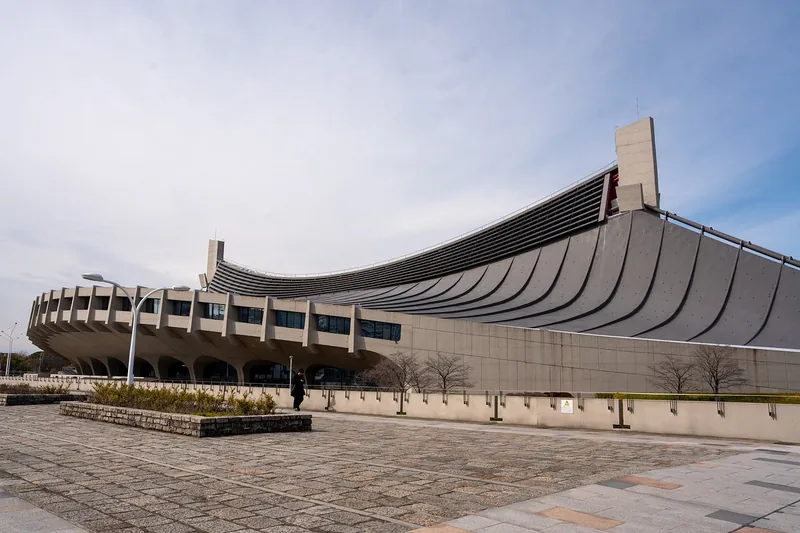
Kenzo Tange built it for the 1964 Tokyo Olympics with a dramatic suspended roof. It became an Important Cultural Property in 2021.
Walk out of Harajuku Station and the first thing you see is a roof hanging from cables like a tent made of steel. Kenzo Tange designed the gymnasium with the engineer Yoshikatsu Tsuboi, and it opened on 10 October 1964. Wikipedia records swimming and diving in the main hall during the 1964 Games and basketball in the smaller annex. It came back for handball at the Tokyo 2020 Games.
In 2021 Japan named it an Important Cultural Property, described as a monumental example of postwar architecture with a dynamic exterior and a magnificent interior. The main hall seats up to 12,898 people.
Here is the toilet link. THE TOKYO TOILET site says Kengo Kuma chose architecture as a boy because of this building. His toilet in Nabeshima Shoto Park is a village of five huts clad in cedar louvers at random angles, linked by a walk in the woods. Seeing the two on one day is a nice piece of family history.
The gymnasium is at 2-1 Jinnan, next to Yoyogi Park. GO TOKYO puts it a few steps from Harajuku Station, and Meiji-jingumae Station on the Tokyo Metro is close too.
Start at the Yoyogi gymnasium and walk Omotesando with a local guide, a printed sheet on every architect, and cake and tea at Kengo Kuma's SunnyHills.
Explore the Omotesando architecture walk Tour detailsWhat can you see on Omotesando?
Dior by SANAA, Omotesando Hills by Tadao Ando, Tod's by Toyo Ito, the curved Ao tower and Harakado's rooftop garden, all within about 20 minutes on foot.
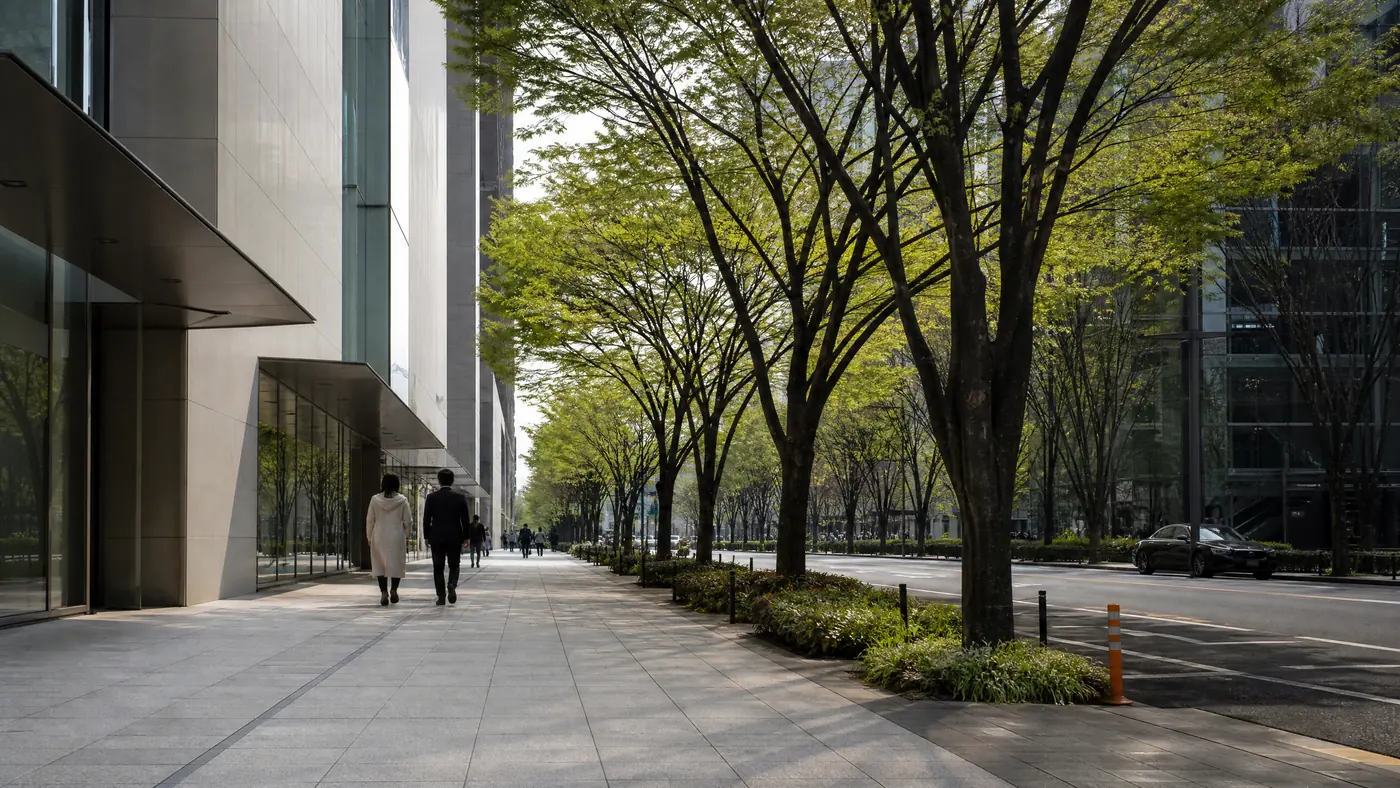
Omotesando is lined with zelkova trees. GO TOKYO's architecture walk gives the timing: 15 minutes from the gymnasium to Dior, 8 more to Ao, then 6 to Omotesando Hills.
- Dior Omotesando by Kazuyo Sejima and Ryue Nishizawa of SANAA has a draped facade that GO TOKYO says conjures up a skirt.
- Omotesando Hills by Tadao Ando runs along about 250 meters of the avenue. It replaced the Dojunkai Aoyama Apartments of 1927, and Ando rebuilt a small section of the old block at the southeast end, now Gallery Dojunkai. GO TOKYO notes he kept it about as high as the zelkova trees.
- Tod's Omotesando by Toyo Ito wraps an L-shaped site in nine tree-like concrete forms, each 30 centimeters thick, with frameless glass between them. Design Art Tokyo says the shapes come from zelkova silhouettes. It is seven floors, 2,550 square meters.
- Ao, by Nihon Sekkei in 2009, is the curved tower GO TOKYO calls a local landmark.
- Harakado (Tokyu Plaza Harajuku), opened on 17 April 2024 at the Jingumae crossing, has free rooftop gardens on its sixth and seventh floors that look down Omotesando.
Now the pairing. Ando's toilet in Jingu-Dori Park, which he calls Amayadori (shelter from the rain), is a round plan under a wide roof, inside a cylinder of vertical louvers. Ito's toilet at Yoyogi-Hachiman is Three Mushrooms, three round rooms under the shrine forest. You can see the same hands at work at two very different sizes.
Prefer your own pace? A licensed guide shapes a private Harajuku and Omotesando architecture walk around what you want to see.
Check dates for the private Harajuku architecture tourWhat is SunnyHills by Kengo Kuma?
A pineapple cake shop in Minami-Aoyama wrapped in a cloud of thin wooden members, joined with a traditional joint called jigoku-gumi. It was completed in 2013.
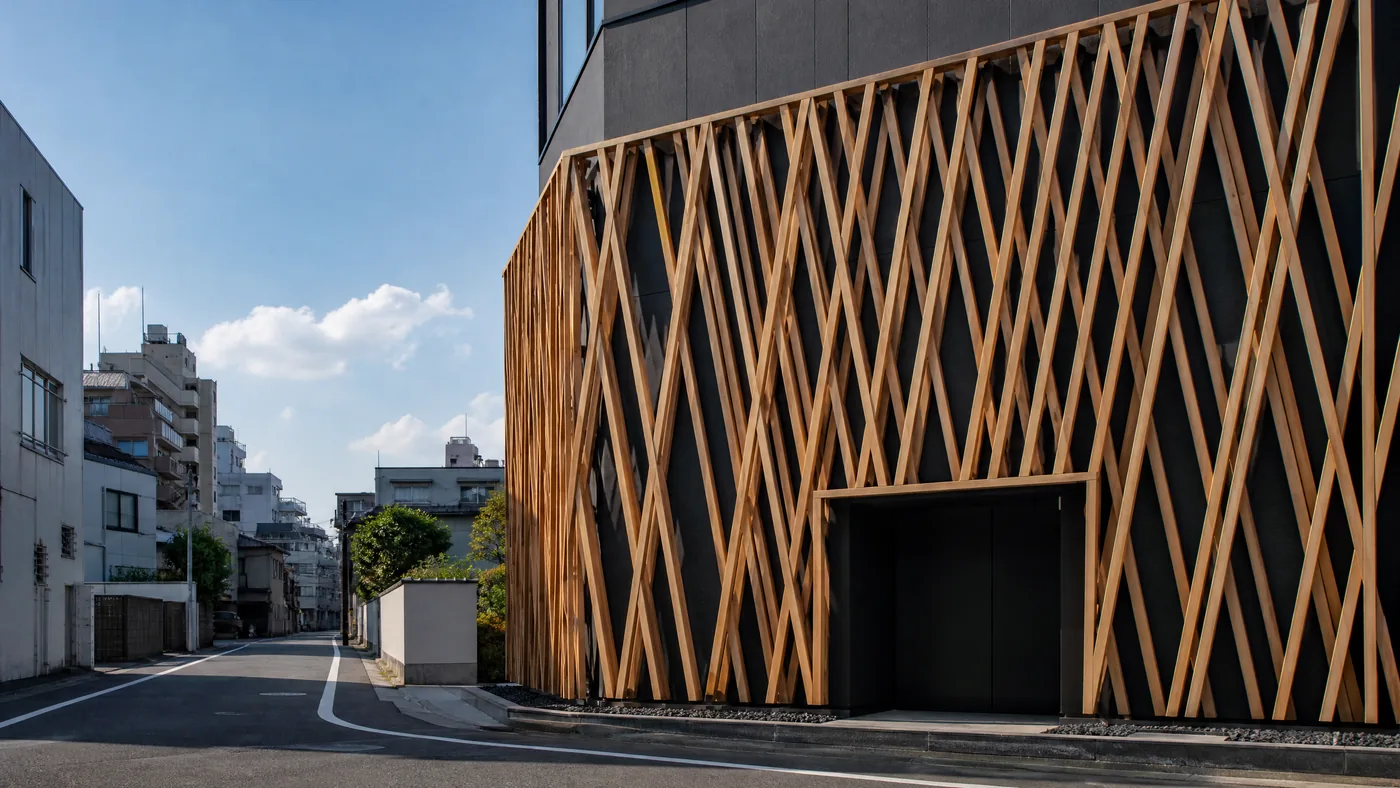
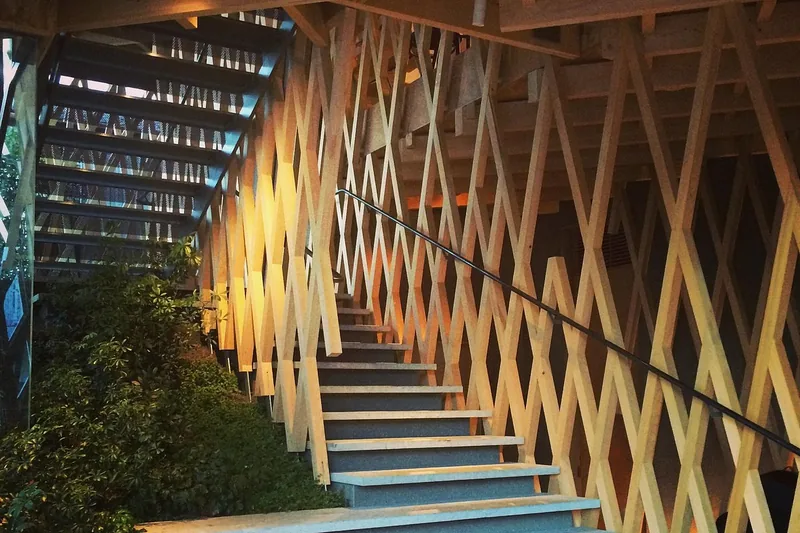
Turn off Omotesando into the backstreets of Minami-Aoyama and a small building appears to be made of woven sticks. Kengo Kuma and Associates explain that it uses jigoku-gumi, a traditional Japanese wood joint, built up as a 3D structure so each member could be as thin as 60 by 60 millimeters. They wanted it to feel like a forest or a cloud. GO TOKYO adds that the frame is joined without nails.
Inside, SunnyHills sells pineapple cake. The Omotesando architecture tour spends 30 minutes here and includes pineapple cake and Taiwanese tea, which is the best way to see the lattice from the inside.
Three minutes away, GO TOKYO says, is Prada Aoyama by Herzog and de Meuron, a tower of diamond-shaped glass panes that reflect the sky. Ten minutes on is the Nezu Museum, where Kuma's main building of 2009 opens onto a Japanese garden of 17,000 square meters. The Omotesando tour ends at its entrance; the listing says museum tickets are extra and the museum is closed on Mondays.
Compare it with Kuma's toilet in Nabeshima Shoto Park, clad in 240 boards of Yoshino cedar. Same architect, same love of wood in thin strips, one a shop and one a public toilet.
What is new around Shibuya Station?
Shibuya Scramble Square, opened in 2019 with the open-air Shibuya Sky deck at 230 meters, and Miyashita Park, a 330-meter complex with a park on its roof.
Shibuya Station has been rebuilt for years, and the result is a cluster of new towers wrapped around the old scramble crossing. Two are worth your time:
- Shibuya Scramble Square opened its 47-floor East Tower on 1 November 2019. japan-guide.com describes its Shibuya Sky deck as a rare open-air roof at 230 meters, with only a layer of glass at the edge between you and the city.
- Miyashita Park stretches 330 meters with shops, the sequence MIYASHITA PARK hotel and a public park on the roof, with a skatepark, a bouldering wall and a sand court. GO TOKYO puts it about 3 minutes on foot from the station.
The Shibuya architecture walk links them with the older city. Its listing gives six stops in order: Shibuya Crossing and Scramble Square (10 minutes each), Nonbei Yokocho, an old alley of small bars (10 minutes), Miyashita Park, Center-gai and Mark City (20 minutes each). It starts and ends at SHIBU HACHI BOX by the Hachiko Gate, lasts 1.5 hours, and is the lowest price on this site.
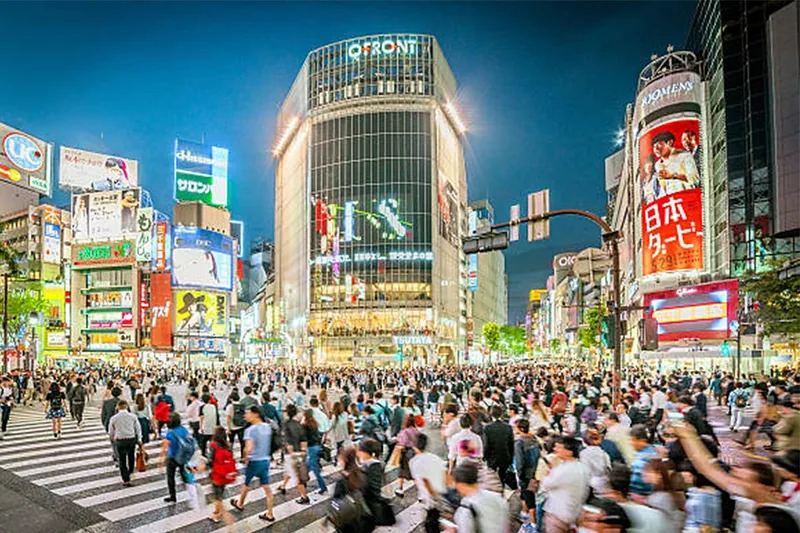
Shibuya Crossing, Scramble Square, Nonbei Yokocho, Miyashita Park, Center-gai and Mark City in 90 minutes with a local guide.
Explore the Shibuya architecture walk Tour detailsHow do the Tokyo Toilets pair with the buildings?
Five architects of the toilets have bigger works nearby: Ando, Kuma, Ito, Maki and Ban. Seeing one large and one small by the same hand is the best way to plan the day.
Use this as a menu. Each pair is close enough for one walk or one short train ride.
| Architect | The toilet | A bigger work nearby |
|---|---|---|
| Tadao Ando | Jingu-Dori Park, Amayadori: a round toilet under a wide roof | Omotesando Hills, about 250 meters of Omotesando |
| Kengo Kuma | Nabeshima Shoto Park: five cedar-clad huts in a wood | SunnyHills and the Nezu Museum in Minami-Aoyama |
| Toyo Ito | Yoyogi-Hachiman: Three Mushrooms by the shrine forest | Tod's Omotesando and its concrete trees |
| Fumihiko Maki | Ebisu East Park: the Squid Toilet in Octopus Park | Hillside Terrace, begun in 1969 and built in seven phases |
| Shigeru Ban | Haru-no-Ogawa and Yoyogi Fukamachi: glass that turns opaque when locked | Two toilets here, the only creator with two |
Maki called his Ebisu toilet the Squid Toilet because the park is known for its octopus play equipment, and designed it as a park pavilion with a rest area. Design Art Tokyo says his Hillside Terrace in Daikanyama was built in seven phases from 1969, around protected outdoor public space. Same idea, decades apart.
Want the toilets done for you? The private Tokyo Toilet walking tour goes from Ban's glass toilet in Yoyogi Fukamachi Mini Park to Kuma's in Nabeshima Shoto Park. The full day by private car puts the toilets and landmark buildings in one day for up to nine people. For the toilets on foot on your own, use the self-guided walk.
A private guide for up to four, from Shigeru Ban's glass toilet in Tomigaya to Kengo Kuma's cedar huts in Shoto.
Check dates for the private Tokyo Toilet walking tourWhich Shibuya architecture tour should you book?
The Shibuya walk for a cheap first look at the station area, the Omotesando walk for the famous flagships and SunnyHills, and the private Harajuku tour for a custom route.
All three are walking tours with free cancellation up to 24 hours before. None of them lists a Tokyo Toilet stop, so add one or two from the pairing table above.
| Tour | Start | Length | From | Best for |
|---|---|---|---|---|
| Shibuya architecture walk | SHIBU HACHI BOX, Shibuya Station | 1.5 hours | $13 per person | New towers, old alleys, a first evening |
| Omotesando architecture walk | Meiji Jingu Ichino Torii, by JR Harajuku West Exit | 2.5 hours | $39 per person | Tange, Ando, Kuma and cake at SunnyHills |
| Private Harajuku architecture tour | Meiji Jingu main entrance, Harajuku | 3.5 hours | $129 per person | A licensed guide and your own wish list |
The Shibuya walk is the easy yes: 90 minutes, a small price, and it ends where it starts. The Omotesando walk has the strongest architecture list, with Yoyogi, Omotesando Hills, Gallery Dojunkai, Bottega Veneta and SunnyHills, a printed sheet on each architect and a Google map to keep; its listing gives a 13:30 start and a group of up to eight. The private tour ends at the Omotesando and Aoyama-dori intersection and is planned around what you tell the guide.
Late November is a good time for it. The leaves are turning, the light goes early, and glass buildings like Prada are lit from inside by late afternoon.
How do you plan a self-guided Shibuya architecture walk?
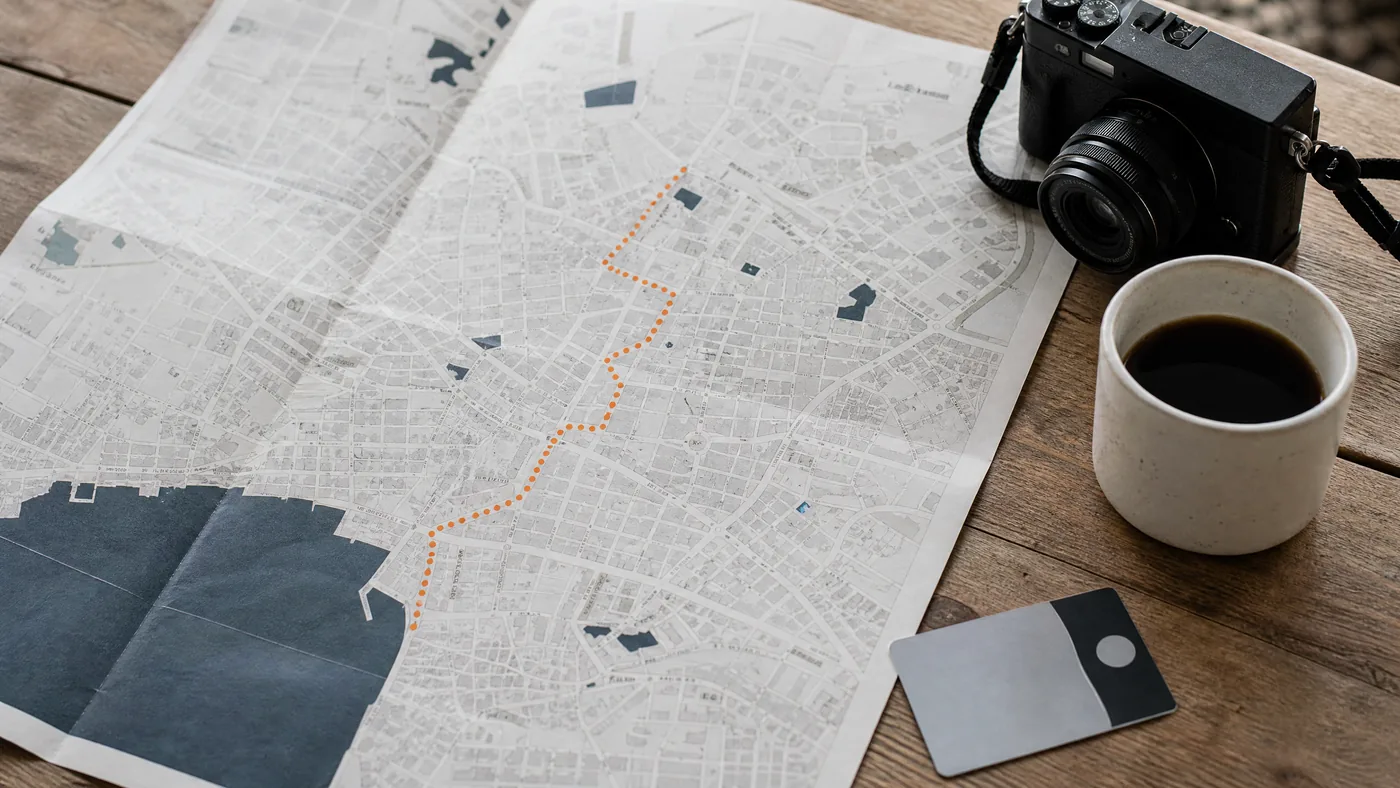
Take GO TOKYO's route from Harajuku to the Nezu Museum, about an hour of walking, and add Ando's toilet in Jingu-Dori Park on the way. Shibuya Station is a second loop.
GO TOKYO's walk gives real walking times between stops, so you can plan without guessing:
- Yoyogi National Gymnasium, a few steps from Harajuku Station. Then 15 minutes on foot.
- Dior Omotesando. Then 8 minutes.
- Ao. Then 6 minutes.
- Omotesando Hills. Then 9 minutes.
- SunnyHills Minami-Aoyama. Then 3 minutes.
- Prada Aoyama. Then 10 minutes.
- Nezu Museum.
That is 51 minutes of walking, so give it two to three hours with stops. To add the toilets, start the day at Jingu-Dori Park (6-22-8 Jingumae) for Ando's Amayadori, a short walk from the gymnasium, or end it with Kuma's Nabeshima Shoto Park (2-10-7 Shoto) from Shibuya. Toyo Ito's Three Mushrooms at Yoyogi-Hachiman (5-1-2 Yoyogi) fits a morning on the Yoyogi side.
For the second loop, walk from Shibuya Station to Miyashita Park and Nonbei Yokocho, then up to Scramble Square for the view. The full list of 17 toilets, with addresses and opening dates, is in our Tokyo Toilet guide, and the films' locations are in the Perfect Days locations guide.
The famous Omotesando buildings with a local guide and a printed sheet on every architect, ending with cake and tea at SunnyHills.
Explore the Omotesando architecture walk Tour detailsFrequently asked questions
Who designed Yoyogi National Gymnasium?
Kenzo Tange, with the engineer Yoshikatsu Tsuboi. It opened on 10 October 1964 for the Tokyo Olympics and was named an Important Cultural Property in 2021.
Do the Shibuya architecture walks visit the Tokyo Toilet?
No toilet stop is listed on the Shibuya, Omotesando or private Harajuku architecture walks. Add Ando's toilet in Jingu-Dori Park or Kuma's in Nabeshima Shoto Park on your own, or book a toilet tour.
Can you go inside SunnyHills in Minami-Aoyama?
Yes, it is a pineapple cake shop. The Omotesando architecture walk spends 30 minutes there and includes pineapple cake and Taiwanese tea.
How long does an Omotesando architecture walk take on your own?
GO TOKYO's route from the Yoyogi gymnasium to the Nezu Museum adds up to 51 minutes of walking. Allow two to three hours with stops and photos.
Ready to book
Choose your tour
Free cancellation up to 24 hours before on every option. Prices are from-prices in USD and move with the season.
Shibuya Modern Architecture Walking Tour
Shibuya's new architecture and old alleys in 90 minutes
Omotesando Architecture Walk
Famous buildings of Omotesando, ending with cake at SunnyHills
Private Harajuku and Omotesando Architecture Tour
A private architecture walk with a licensed guide